
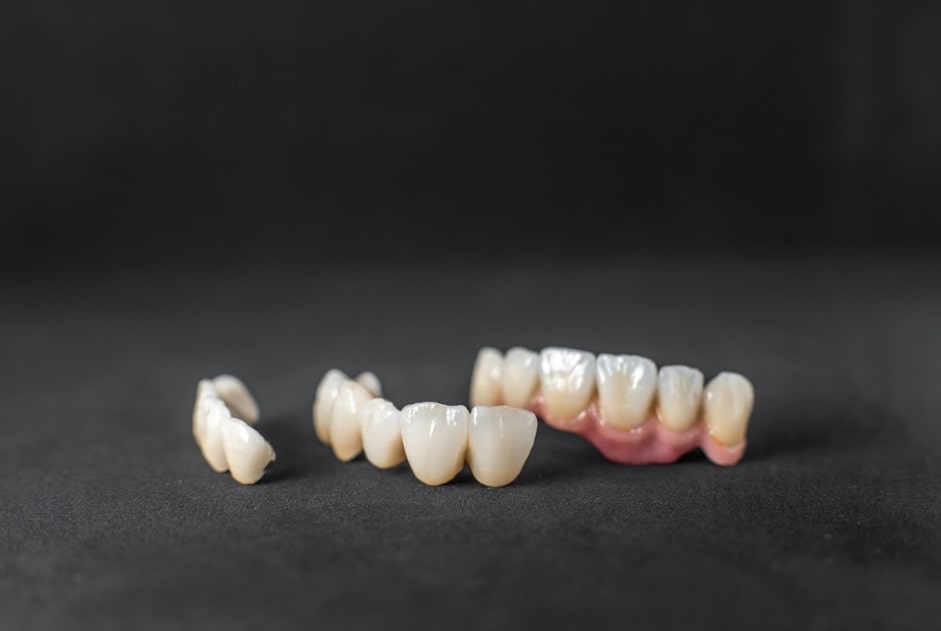
Ensuring your child’s oral health is a priority for parents, and sometimes that means considering a dental cap. If you have been told your child needs one, you may have questions like “Is it necessary?”, “What does the procedure involve?”, and “Will it hurt?” This guide provides clear answers about when and why a dental cap might be the best choice for your child’s smile. For families in San Antonio, a pediatric dentist can offer expert care and insights, ensuring the best treatment for your child’s oral needs.
Why Your Child’s Tooth Might Need More Than A Filling
Sometimes, a simple filling just is not enough to save a tooth. Here are the primary reasons a pediatric dentist in San Antonio recommends tooth covering as a necessary intervention for youngsters:
- Extensive Tooth Decay: This is the most common culprit. When a cavity has grown too large, weakening the tooth structure significantly, a filling will not provide the necessary strength to prevent further breakdown. A full tooth covering encloses the entire tooth, restoring its integrity and function.
- Fractured Or Chipped Teeth: Active kids are prone to accidents. A severe chip or fracture, perhaps from a fall or sports injury, can expose the inner sensitive parts of the tooth or leave it vulnerable to further damage. A protective covering can stabilize the tooth and prevent complications.
- Post-Pulp Therapy Protection: If your little one has undergone a pulpotomy (often referred to as a “baby root canal” for primary teeth), the tooth structure has already weakened. A dental cap is usually recommended afterward to seal and protect the tooth from future infection and fracture.
- Developmental Defects: Sometimes, a tooth might not have formed correctly, leading to weak enamel or an unusual shape. A cap can improve the tooth’s form, function, and aesthetics, making it more resilient.
Understanding The Different Types Of Child Tooth Restorations
When a tooth needs a cap, your dental professional will discuss the best material options, each suited for different situations:
Stainless Steel Crowns (SSCs)
These are the workhorses of pediatric dentistry, especially for back molars.
- Durability: Incredibly strong and resistant to wear.
- Cost-Effective: Generally, the most economical option.
- Single-Visit Placement: Often pre-fabricated, allowing for placement in one appointment.
- Ideal For Baby Teeth: They last until the primary tooth naturally falls out.
Tooth-Colored Crowns (Zirconia or Composite)
These are chosen when aesthetics are a primary concern, typically for front or visible back teeth.
- Aesthetic Appeal: They blend seamlessly with natural teeth.
- Biocompatibility: Zirconia is highly biocompatible.
- Multi-Visit (sometimes): May require more than one visit if custom-made.
A pediatric dentist will help you choose the most appropriate material based on the affected tooth’s location, the extent, and your family’s preferences.
What To Expect During The Dental Crown Procedure
The thought of your child undergoing a tooth procedure can be stressful, but modern pediatric dentistry prioritizes comfort and efficiency. Here is a general overview:
1. Preparation: The professional will first numb the area around the tooth to ensure your child feels no pain. Sedation options, like nitrous oxide (“laughing gas”), are often administered to help anxious children relax.
2. Tooth Shaping: Any decay is removed, and the tooth is carefully shaped to allow the cap to fit securely over it.
3. Placement:
- For Stainless Steel Crowns: The dentist will select the correct size and fit the pre-formed cap over the prepared tooth. It’s then cemented into place. This is often completed in a single visit.
- For Custom Crowns (e.g., Zirconia): An impression of the tooth might be taken and sent to a lab to custom-fabricate the cap. A temporary covering may be placed, and your child will return for a second visit for the permanent placement.
The entire process is managed with gentle care, focusing on your child’s comfort and minimizing their time in the dental chair.
Caring For Your Child’s New Tooth Covering: Longevity And Hygiene
Once your child has a new dental cap, a pediatric dentist in San Antonio suggests maintaining good oral hygiene is paramount to its success and the health of the surrounding teeth:
- Consistent Brushing And Flossing: Encourage your child to brush twice daily with fluoride toothpaste and to floss around the crowned tooth just as they would their natural teeth.
- Limit Sugary Foods and Drinks: While the cap itself will not decay, the tooth structure underneath and surrounding teeth is still susceptible to cavities.
- Regular Dental Check-Ups: These visits are crucial for monitoring the cap’s integrity, ensuring proper fit, and addressing potential issues early.
- Avoid Hard, Sticky Foods: While durable, excessive force from chewing on tough candies or sticky treats can dislodge or damage the cap.
A cap on a baby tooth is designed to last until the permanent tooth erupts naturally. With diligent care, a dental cap can last many years and provide durable protection for a permanent tooth.
When To Consult A Pediatric Dentist For Expert Care
Don’t wait if you notice something amiss with your child’s oral health. If your child complains of pain, you see swelling, or observes a noticeable chip or crack in a tooth, it is time to act. Early intervention is key to preventing minor issues from becoming major problems and often results in less invasive treatments.
Your child’s healthy smile is an investment in their overall well-being. Understanding when a dental cap is needed and what to expect can ease parental anxiety and ensure timely treatment. If you have concerns about your child’s dental health or suspect they might benefit from a protective tooth covering, the best step is to seek professional guidance. Do not delay in securing the best oral health for your little one. Book an Appointment with our trusted dental team or visit our dental office today to discuss your child’s specific needs and ensure their bright, healthy future.