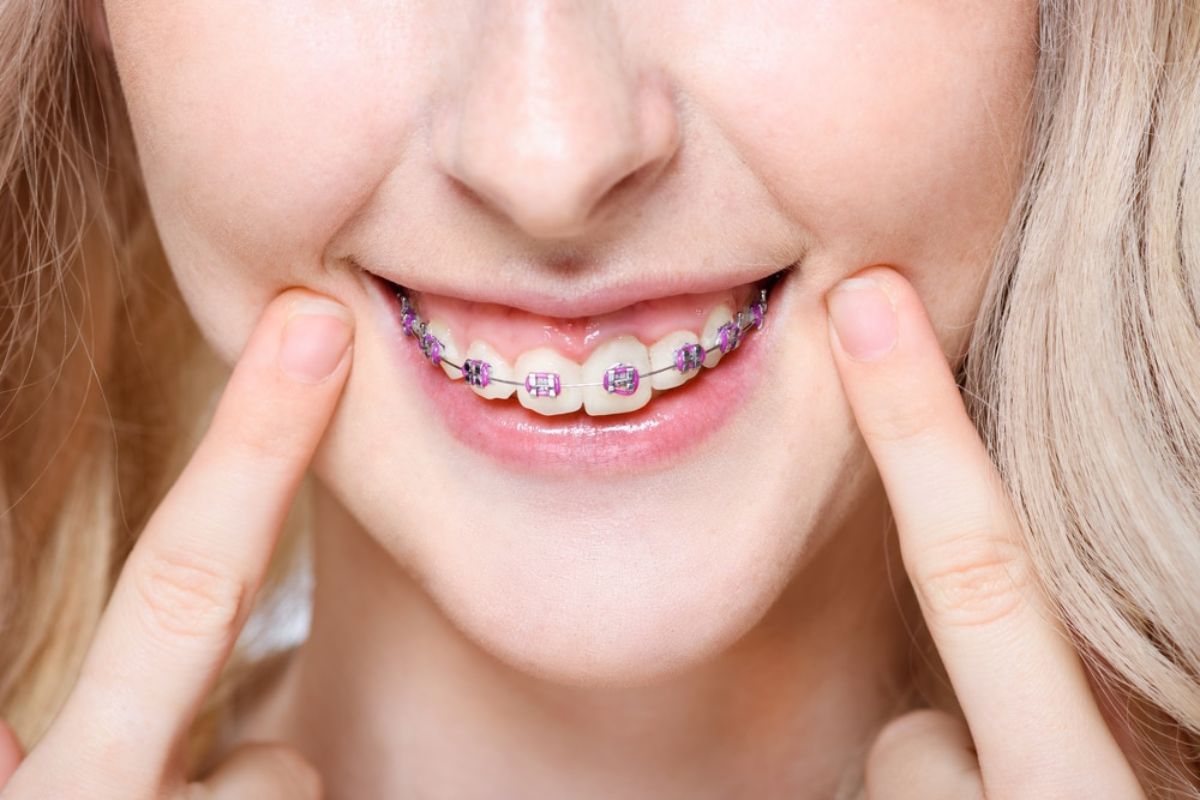
You just got your braces put on, and you were so excited about the smile you’d have at the end of treatment. But now, a few hours later, your mouth feels sore, your teeth ache when you bite down, and you wonder if you made the right call. You are not alone. Thousands of people in San Antonio and surrounding communities experience this every year. The good news is that the soreness is temporary and very manageable.
Most patients feel soreness mainly after their first placement or after each adjustment visit. The pressure from the brackets and wires shifting your teeth is what causes that dull, achy feeling. Understanding why it happens and knowing the right ways to deal with it can make a big difference in your day-to-day comfort throughout your orthodontic journey.
At Bexar Orthodontists and Pediatric Dentists, located at 12314 Potranco Rd, San Antonio, TX 78253, our team, led by Dr. Cele Oliver, is here to support you through every stage of your treatment. We want your path to a straighter smile to feel as comfortable as possible.
Meet Dr. Oliver – Your San Antonio Orthodontist and Pediatric Dentist
Dr. Cele Oliver has proudly called San Antonio home since 2004. She earned her Doctor of Dental Surgery degree from the University of Texas Health Science Center at San Antonio and went on to complete her orthodontic residency at the Arizona School of Dentistry and Oral Health, where she served as Chief Resident and earned her Doctor of Health Sciences degree. She then achieved her specialty in pediatric dentistry, also at UTHSC San Antonio. Dr. Cele Oliver is a Diplomate of the American Board of Orthodontics, a distinction held by only 15% of orthodontists nationwide, and is one of fewer than 10 practitioners in the country who hold dual board certifications in pediatric dentistry and orthodontics. Patients of all ages in San Antonio and nearby communities trust Dr. Oliver for honest, compassionate care.
Why Does Orthodontic Treatment Cause Soreness?
Dental braces work by applying steady, gentle pressure to your teeth to guide them into better alignment over time. That pressure is what makes your teeth move, but it also triggers a mild inflammatory response in the tissues around your tooth roots. This is a completely normal biological process. The surrounding ligaments and gums feel tender as your teeth begin to shift.
In San Antonio, where the warm climate keeps people active outdoors year-round, think weekend trips to Medina Lake, hikes at Government Canyon State Natural Area, or evenings at the Riverwalk, the last thing you want is tooth pain slowing you down. Knowing what to expect and how to manage it helps you stay comfortable and confident.
Here are the most common situations that trigger soreness:
Right after your orthodontic appliances are placed for the first time
In the 24 to 72 hours following each tightening or adjustment appointment
When metal braces or brackets against the soft tissue inside your lips and cheeks
When you eat harder foods that put extra pressure on already tender teeth
Ten Easy Ways to Reduce Braces Pain Fast
1. Take Over-the-Counter Pain Relievers
Before your adjustment appointment, take an over-the-counter pain reliever like ibuprofen or acetaminophen. Ibuprofen is especially useful because it reduces both pain and inflammation. Follow the dosage directions on the label, and talk to your dentist first if you have any concerns about medications.
2. Rinse with Warm Salt Water
A warm saltwater rinse is one of the simplest and most effective home remedies for mouth soreness. Mix 1 teaspoon of salt into a cup of warm water, then swish it around for 30 seconds. This helps reduce swelling, soothes irritated gum tissue, and keeps bacteria under control. Do this, two to three times a day, especially after meals.
3. Apply a Cold Compress
Applying a cold compress or ice pack to the outside of your cheek for 10 to 15 minutes helps numb the area and reduce mild swelling. Wrap the ice in a thin cloth to protect your skin. Many local families keep reusable cold gel packs at home, and they work great for this. You can also eat chilled soft foods for similar relief.
4. Use Orthodontic Wax
Metal braces, brackets, and wires sometimes poke or rub against the inner lining of your lips and cheeks, causing sore spots. Orthodontic wax creates a protective cushion between the hardware and your soft tissue. Roll a small piece of wax between your fingers to warm it, then press it onto the bracket or wire that is causing irritation. You can find orthodontic wax at any local pharmacy nearby.
5. Eat Soft, Easy-to-Chew Foods
For the first few days after placement or an adjustment, stick with foods that require very little chewing. Yogurt, mashed potatoes, scrambled eggs, smoothies, soft-cooked pasta, oatmeal, and bananas are all great choices. San Antonio has excellent Mexican food, and thankfully, beans, rice, and guacamole are all braces-friendly. Avoid crunchy tortilla chips, hard candies, and chewy meats until the soreness calms down.
6. Try a Numbing Gel
Oral numbing gels that contain benzocaine can offer fast, targeted relief. You apply a small amount directly to the sore area using a clean finger or a cotton swab. The gel temporarily numbs the tissue so you can eat and speak more comfortably. Look for an oral analgesic gel at your local pharmacy, and always follow the product instructions for use.
7. Massage Your Gums Gently
Gently rubbing your gums with a clean finger in a circular motion can help increase blood flow to the area and reduce achiness. Do this for about a minute on each tender section. Some people find that doing this before eating makes mealtime much more comfortable during the first few days after an adjustment.
8. Stay Hydrated and Avoid Acidic Drinks
Drinking plenty of water throughout the day helps keep your mouth moist and washes away food particles that can irritate sensitive tissue. Avoid sugary sodas and acidic drinks like lemonade, sports drinks, and orange juice, which can increase sensitivity around the brackets. Here in San Antonio, where the weather is warm, staying hydrated is already a daily habit for most residents, so keeping a water bottle handy is an easy way to boost your comfort.
9. Maintain Your Oral Hygiene Routine
Keeping your teeth and gums clean reduces the risk of further irritation from plaque and bacterial buildup. Use a soft-bristled toothbrush and brush gently around each bracket after every meal. Floss daily using orthodontic floss threaders or a water flosser to clean around the wires. Good oral hygiene during treatment not only prevents cavities but also keeps gum inflammation from adding to your existing discomfort.
10. Use a Heating Pad for Jaw Tension
While cold is great for reducing swelling right after an adjustment, mild warmth can help relax jaw muscles if you feel tension or tightness a day or two later. Apply a warm (not hot) heating pad to the outside of your jaw for short intervals. This works well when soreness shifts from your teeth to a general jaw ache after the first day or so.
Dealing with pain from your orthodontic treatment? Call us or visit us now. Our caring team is ready to help!
When Should You Call Your Orthodontist?
Most soreness from orthodontic appliances is normal and settles down within a few days. However, reach out to your dental office right away if you notice any of the following:
• Severe pain that does not improve after several days
• Visible swelling in your gums or face
• A bracket or wire that has broken or come loose
• Bleeding from the gums that does not stop
• Pain that makes it impossible to eat, speak, or sleep
These signs may indicate an issue that requires attention beyond simple home remedies. Your orthodontist can check whether an adjustment is needed to prevent further discomfort.
If your soreness feels like more than you can manage at home, do not wait it out alone. Visit our San Antonio dental office and let Dr. Oliver’s team take a look. We will identify the cause of your discomfort and take the right steps to help you feel your best again, so you can keep enjoying everything San Antonio has to offer, from Fiesta season to weekend barbecues in the Hill Country.
Start Your Comfort Journey Today at Bexar Orthodontists and Pediatric Dentists
Soreness from orthodontic treatment is a normal part of the process, but it does not have to interrupt your life. The ten tips above give you real, proven ways to stay comfortable between appointments. Cold compresses, salt water rinses, orthodontic wax, soft foods, and proper oral hygiene make a big difference in how you feel day to day.
If the discomfort becomes more than home remedies can handle, or if something feels wrong with your appliances, do not put off getting help. Dr. Oliver and the team are right here in San Antonio to support you. We make sure every patient feels heard, comfortable, and confident at every stage of treatment.
Ready to get the support you need? Book an appointment with us today and let our team guide you through a comfortable, successful orthodontic journey. Call us at 210-951-6481 to schedule your visit.
Frequently Asked Questions
Q1: How long does soreness from orthodontic appliances usually last?
Soreness typically peaks within the first 24 to 72 hours after placement or an adjustment, then gradually fades. Most patients feel significantly more comfortable by day four or five. If discomfort continues beyond a week, contact your orthodontist to rule out any issues that may need attention.
Q2: Is it safe to take pain relievers before or after an adjustment?
Yes, over-the-counter pain relievers such as ibuprofen or acetaminophen are safe for most people and can effectively manage mild to moderate soreness. Many orthodontists recommend taking them about an hour before an appointment for better comfort. Always follow the label instructions and consult your doctor if you have health conditions or take other medications.
Q3: What foods can I eat when my teeth are too sore to chew?
Soft foods like yogurt, smoothies, mashed potatoes, soup, scrambled eggs, soft-cooked pasta, and oatmeal are all great choices when chewing is uncomfortable. Avoid anything hard, crunchy, or chewy until the soreness calms down. Cold foods can also provide soothing relief during sensitive periods.
Q4: Can metal braces, wires, or brackets hurt the inside of my mouth?
Yes, the edges of brackets and protruding wires can rub against the inner lining of your lips and cheeks, causing sore spots or small ulcers. Orthodontic wax is the fastest fix; press a small amount over the offending bracket or wire to create a smooth barrier. If a wire is poking sharply, contact your orthodontist to have it trimmed or adjusted.
Q5: Why do my teeth feel loose during orthodontic treatment?
Teeth feel slightly loose during treatment because the bone and periodontal ligaments around them are being gently remodeled to allow movement. This is a normal and expected part of the tooth-shifting process. Your teeth will stabilize again once treatment is complete and your retainer keeps them in their new positions.
Q6: Can poor oral hygiene make braces pain worse?
Yes. When plaque and food particles build up around brackets and along the gumline, it leads to gum inflammation, which adds to the soreness you already feel from the pressure of your orthodontic hardware. Brushing after every meal and flossing daily significantly reduces this extra layer of discomfort and lowers your risk of developing cavities during treatment.
Q7: When is it time to call the orthodontist rather than managing at home?
Reach out to your orthodontist if you experience intense pain that does not ease within a few days, noticeable gum swelling, a loose or broken bracket or wire, or any bleeding that does not resolve on its own. These symptoms may signal that an adjustment or repair is needed. Getting it addressed promptly protects both your comfort and your treatment progress.