Teething
Board-Certified Specialists in Orthodontics and Pediatric Dentistry
located at: 12314 Potranco Rd, San Antonio, TX 78253.
 For new parents, the arrival of their baby’s first tooth often brings a mix of joy and concern. While it’s a significant milestone worth celebrating, teething can sometimes bring discomfort. Fortunately, every baby’s teething experience is unique—some go through it with little to no distress. With the right strategies, you can ease this transition for both your baby and yourself.
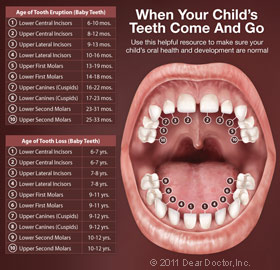
Teething is the natural process where a baby’s primary (or baby) teeth begin to emerge through the gum line. This typically begins between 6 and 9 months of age, though it can start as early as 3 months or as late as 12. The lower front teeth are usually the first to appear, followed by the top front pair. Most kids will have all twenty baby teeth by the time they are three years old.
Identifying Teething Symptoms
 Look out for these common signs that your baby may be teething:
- Increased fussiness or irritability
- A tendency to bite or chew on objects
- Noticeable drooling
- Skin irritation around the chin from excess saliva
- Red or swollen gums
- Tugging at ears
- A decrease in appetite
- Changes in sleep routines
These symptoms often begin about four days before the tooth breaks through and can last up to three days after it becomes visible.
In some cases, a baby may develop an “eruption cyst,” a fluid-filled sac that forms over a tooth as it pushes through. Usually harmless, these go away on their own when the tooth erupts.
Though some parents link diarrhea, rashes, or fever with teething, these symptoms are more likely related to an illness and should be brought to your pediatrician’s attention.
How to Help
Babies usually find comfort from cold sensations and gentle pressure on their gums. Consider the following safe methods:
- Chilled (not frozen) teething rings
- Cold, damp washcloths
- Refrigerated pacifiers
- Light gum massages
Avoid freezing teething items, as extremely cold objects can cause gum injury. Traditional remedies like applying alcohol to the gums are outdated and not safe. While over-the-counter pain relief may be beneficial, consult your pediatric dentist or pharmacist to ensure proper dosage. Never apply these medications directly to the gums, as they can cause irritation. Avoid numbing gels for children under two unless directed by a healthcare provider.
If you are unsure about any aspect of teething, do not hesitate to reach out to our office. To assist in establishing healthy habits early on, we advise making your child’s first dental appointment by the time of their first birthday. We are excited to welcome your little one!
We proudly accept:
Most PPO Dental and Orthodontic Insurances!