Fluoride & Your Child
Board-Certified Specialists in Orthodontics and Pediatric Dentistry
located at: 12314 Potranco Rd, San Antonio, TX 78253.
 Fluoride is a natural mineral that supports strong tooth development and protects against cavities. While tooth decay remains a concern in many areas of the United States, its prevalence is much lower thanks to fluoridated public water systems. For this reason, leading medical and pediatric dentists support water fluoridation at the advised level of 0.70 parts per million (ppm). The Centers for Disease Control and Prevention (CDC) even recognizes fluoridated water as one of the most impactful public health advancements of the 20th century.
However, access to fluoridated water is not available in all communities. In such cases, fluoride supplements or products like fluoride toothpastes may be advised to help maintain oral health. Because excessive fluoride intake can be harmful to children, it’s best to consult a dental professional before introducing any fluoride-containing products to your child’s routine.
The Role of Fluoride in Oral Health
The enamel, or outer surface of teeth, is frequently attacked by acids. These acids may come from acidic foods and drinks—like citrus fruits or sodas—or from bacteria in the mouth that convert sugars into acid. These bacteria reside in dental plaque and consume sugar remaining in the mouth, producing acids that wear down the enamel and cause cavities. Fluoride helps by integrating into the enamel’s crystal structure, reinforcing it against acid damage. In fact, it can even reverse early signs of tooth decay.
Ways Fluoride Reaches Teeth
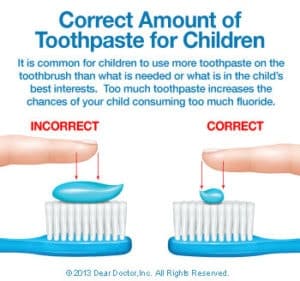 Children’s developing teeth can absorb fluoride through drinking water or supplements. Once a tooth erupts, fluoride can be applied topically. One of the simplest methods is using fluoride toothpaste. For young children ages 2–6, a pea-sized amount of toothpaste is recommended, while children under 2 should use just a tiny smear. Infants under six months should avoid exposure to fluoride. In-office fluoride treatments are another effective method. Dental professionals can apply fluoride varnish to freshly cleaned teeth, where it is left in place briefly to provide maximum benefit.
Understanding Fluoride Overexposure
Too much fluoride during the early stages of tooth development can cause a condition called enamel fluorosis. In mild cases, it may look like white streaks or spots on the teeth, while in severe (and rare) cases, there can be more noticeable discoloration or pitting. While fluorosis is not harmful, it can affect the appearance of the teeth and might require cosmetic correction. In contrast, untreated tooth decay can lead to serious health issues and discomfort for your child.
The risk of developing fluorosis ends around age 9, once the permanent teeth are fully developed. Until then, it’s essential to evaluate your child’s fluoride exposure. This includes sources such as tap water used in powdered infant formula, overall fluoride intake, sugar consumption, and other cavity risk factors. Based on this, a dental provider can recommend the appropriate level and type of fluoride. While moderation is key, it’s important not to overlook the powerful benefits fluoride provides to both dental and overall health.
We proudly accept:
Most PPO Dental and Orthodontic Insurances!