
When considering orthodontic treatment, one of the top questions many patients have is whether metal braces are safe for long-term use. If you’re wondering about the safety and effectiveness of metal brackets over the course of treatment, you’re not alone. It’s essential to ensure that your treatment plan is both safe and effective before committing to it.
At Bexar Orthodontists and Pediatric Dentists, Dr. Oliver and our team are dedicated to providing you with accurate, reliable information about orthodontic care. This blog will delve into the safety of metal braces and why they remain one of the most popular choices for long-term teeth alignment.
What Are Metal Braces and How Do They Work?
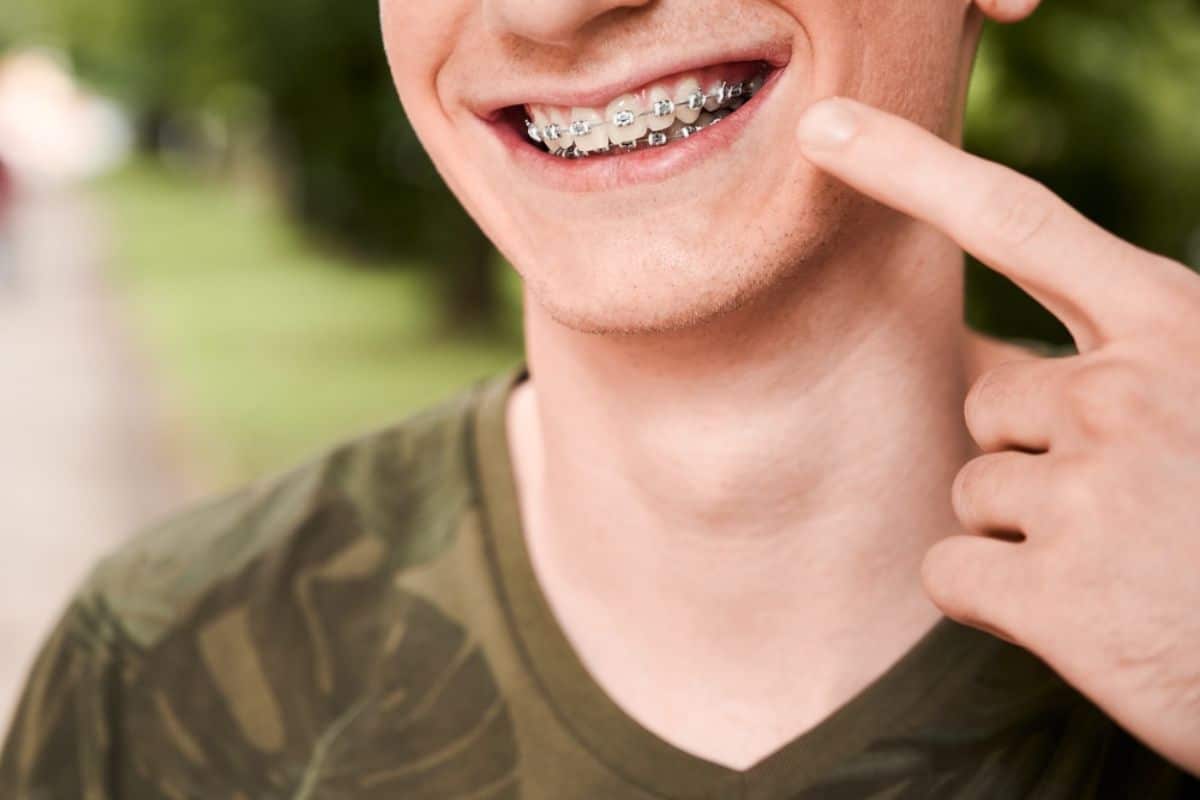
They are a time-tested solution for correcting dental misalignment. Dental braces consist of metal brackets attached to the teeth, connected by a wire that gradually shifts the teeth into their proper positions. Metal braces are made from durable, high-quality stainless steel, ensuring they can withstand the pressure required to move teeth over time.
Although other options like ceramic and clear aligners have become increasingly popular, metal counterparts are still favored for their effectiveness and reliability in treating complex alignment issues. They offer a proven track record of success for patients who need more extensive correction.
Are Metal Braces Safe for Long-Term Use?
Traditional orthodontic appliances are widely considered safe for long-term use, provided they are fitted properly and well-maintained throughout the treatment period. Here are a few key reasons why these orthodontics are a safe option for long-term use:
1. High-Quality, Biocompatible Materials
Metal braces are made from medical-grade stainless steel, a biocompatible material known for its durability and strength. The brackets and wires are designed to be safe and comfortable inside your mouth. Unlike some other materials, metal is non-reactive, reducing the risk of allergic reactions or irritation, making it a safe choice for a variety of patients.
2. Regular Monitoring and Adjustments
The safety of metal brackets also depends on regular monitoring and adjustments provided by your orthodontist. Your orthodontist ensures that your treatment plan is consistently progressing and that any issues are addressed promptly. Regular check-ups allow your orthodontic professional to make necessary adjustments, minimizing any potential risks associated with the treatment.
3. Minimal Health Risks with Proper Maintenance
With the right care, metal brackets come with very few risks. The primary concern is oral hygiene. Since these aligners can trap food particles, brushing and flossing after every meal are essential to prevent plaque buildup, cavities, or gum disease. By maintaining good oral hygiene and attending regular check-ups, you can keep your traditional orthodontic appliances safe for long-term use.
4. Safe for All Ages
Whether you’re an adult, teenager, or even a child, metal brackets are safe for patients of all ages. These dental braces can be used to treat various types of misalignments, from simple to more complex cases. As long as these orthodontic appliances are properly fitted and maintained, they offer a reliable solution for orthodontic correction.
The Benefits of Metal Braces for Long-Term Oral Health
While traditional orthodontic appliances are primarily used to improve the appearance of your smile, they also contribute to your long-term oral health by addressing underlying issues like bite problems, tooth crowding, and jaw alignment. Here’s how metal braces can benefit your overall dental health:
- Improved Functionality: Metal braces help align the teeth and jaw, which improves the ability to chew, bite, and speak properly.
- Prevention of Future Dental Issues: Correcting misalignment early can help prevent more serious dental problems, such as tooth decay, gum disease, and jaw pain.
- Long-Lasting Results: After your traditional orthodontic appliances are removed, the results are designed to last. With proper care and a retainer, your teeth will remain aligned for years to come.
How Long Should You Wear Metal Braces?
On average, patients wear metal braces for 18 to 24 months, depending on their specific needs and the severity of their dental issues. During this time, your orthodontist will monitor your progress and make adjustments as necessary. Treatment times can vary, so it’s important to follow your professional’s advice and attend all scheduled appointments to achieve the best results.
Book an Appointment for Your Braces Consultation
If you’re considering conventional orthodontic appliances and want to know more about this treatment process, Bexar Orthodontists and Pediatric Dentists are here to help. Dr. Oliver and our team are committed to making sure your orthodontic journey is smooth and successful. Schedule a consultation today to discuss your options for traditional wired brackets and discover how we can help you achieve the smile you’ve always wanted!
Choose Metal Braces From Our Practice for a Safe, Long-Term Solution
Metal braces are a safe and effective solution for orthodontic treatment when used properly and properly maintained. Whether you’re looking to improve the alignment of your teeth or address a functional issue, metal brackets offer a reliable, long-term solution that has been proven effective over many years.
If you’re ready to take the next step toward a healthier smile, visit our dental office. We’ll guide you every step of the way to ensure your braces treatment is safe, effective, and comfortable.
FAQs
1. How long do I need to wear metal braces?
The average duration is 18 to 24 months, but it depends on your specific case and the progress made throughout treatment.
2. Can I eat with metal braces?
Yes, but it’s best to avoid hard or sticky foods, as they can damage the braces or get stuck in the wires.
3. Will my teeth move after the braces come off?
With proper use of a retainer, your teeth should stay aligned, but some shifting can occur without consistent wear.
4. How can I keep my teeth clean with braces?
Brush your teeth after every meal and use floss or interdental brushes to clean between your braces. Regular dental visits are also crucial.
5. Is there any pain or discomfort associated with metal braces?
You may experience mild discomfort after adjustments, but it usually subsides within a few days. Pain relievers can help ease discomfort.
6. What should I do if a bracket or wire breaks?
Contact your orthodontist immediately if a bracket or wire breaks. They will schedule an appointment to fix it and ensure your treatment continues smoothly.