
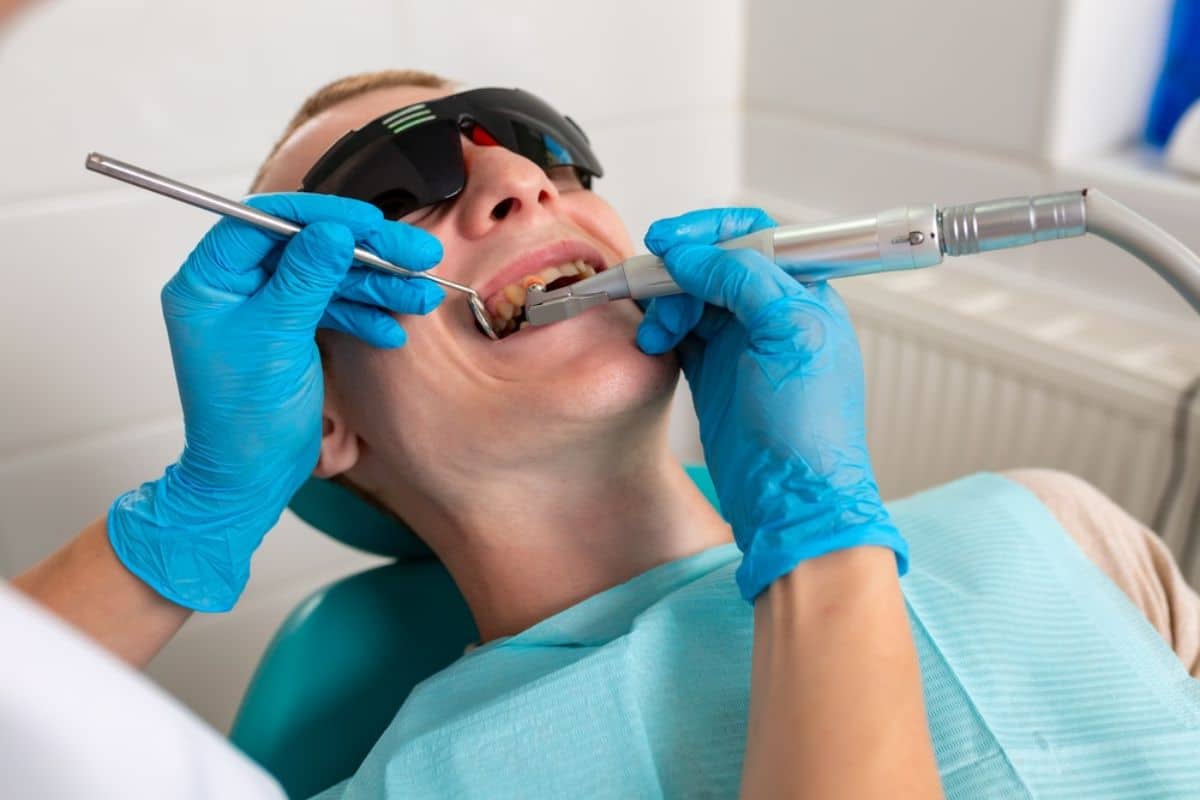
Maintaining your dental health is crucial to maintaining a bright smile and overall well-being. One way to prevent cavities is by using dental sealants. But are they right for everyone? we’ll explain the benefits and downsides of dental sealants in simple terms to help you decide if they are a good choice for you or your child.
What Are Dental Sealants?
Dental sealants are thin, protective coatings made of plastic or other materials that dentists apply to the chewing surfaces of back teeth (molars and premolars). These teeth have deep grooves where food and bacteria can get trapped, leading to cavities. Sealants act as a shield to keep plaque and acids from causing decay.
Applying sealants is quick, painless, and doesn’t involve any drilling. The dentist cleans and dries the tooth, applies a special gel to help the sealant stick, rinses it off, and then paints the sealant onto the grooves. A special light hardens the sealant to form a strong protective layer.
Pros of Dental Sealants
1. Helps Prevent Cavities
The biggest benefit of sealants is that they help stop cavities before they start. They keep food and bacteria from settling into the deep grooves of your teeth.
2. Simple and Painless Process
Unlike getting a filling, sealants don’t involve any drilling or needles. It’s an easy and pain-free procedure.
3. Saves Money in the Long Run
Cavities can be expensive to treat, especially if they require fillings, crowns, or root canals. Sealants are a budget-friendly way to help avoid those costs.
4. Lasts a Long Time
Proper care can extend the life of sealants by up to 10 years. Regular dental visits will help ensure they stay in good shape.
5. Great for Kids and Teens
Since young children and teenagers are more likely to get cavities, sealants offer extra protection during these years.
6. Approved by Experts
The American Dental Association (ADA) and other dental organizations recommend sealants as an effective way to prevent cavities.
Cons of Dental Sealants
1. Not a Replacement for Brushing and Flossing
Sealants are helpful, but they don’t replace the need for daily brushing, flossing, and regular dental visits.
2. Might Need to Be Reapplied
Sealants can wear down over time and might need to be reapplied to keep working properly.
3. May Not Work if Applied Incorrectly
If the tooth isn’t dry when the sealant is applied, it may not stick well, making it less effective.
4. Only for Certain Teeth
Sealants are mostly used on molars and premolars, so they won’t protect your front teeth or other areas where cavities can form.
5. Concerns About BPA
Some sealants contain tiny amounts of BPA, a chemical found in some plastics. However, the amount is very small and considered safe by experts.
6. May Not Be Covered by Insurance
Some insurance plans cover sealants for kids but not for adults. Make sure you check with your provider beforehand.
Who Should Get Dental Sealants?
Dentists usually recommend sealants for:
- Kids and teens when their permanent molars and premolars come in (around ages 6 and 12)
- No cavities or fillings in the molars of adults
- Anyone with deep grooves in their teeth that could trap food and bacteria
How to Take Care of Teeth with Sealants
Keeping sealed teeth healthy is simple. Here are some tips:
- Brush twice a day with fluoride toothpaste.
- Floss daily to remove plaque between teeth.
- Avoid chewing on hard foods like ice or hard candy, as they can chip the sealant.
- Make sure you visit your dentist regularly to ensure the health of your sealants.
Final Thoughts
Dental sealants are a great way to prevent cavities, especially for kids and teens. While they don’t replace good oral hygiene, they provide an extra layer of protection in hard-to-reach areas. However, they do have some downsides, such as the need for reapplication over time. If you’re thinking about getting sealants for yourself or your child, talk to a dentist to see if they’re a good fit.
If you’re looking for expert advice on dental sealants in San Antonio, schedule an appointment with Bexar Orthodontists and Pediatric Dentists today!
Frequently Asked Questions (FAQs)
1. When should kids get dental sealants?
Kids should get sealants when their permanent molars come in, usually around ages 6 and 12.
2. Can adults get dental sealants?
Yes! As long as your molars don’t have cavities or fillings, sealants can still be a good option.
3. Does getting sealants hurt?
No, it’s a completely painless procedure that doesn’t require anesthesia or drilling.
4. Are sealants safe?
Yes, sealants are safe. Some contain tiny amounts of BPA, but the levels are very low and not harmful.
5. How long do sealants last?
Sealants can last up to 10 years, but your dentist will check them regularly to make sure they’re still in good shape.
6. Does insurance cover sealants?
Many dental insurance plans cover sealants for kids, but coverage for adults may vary. Check with your provider.
7. Can sealants be put over small cavities?
If the cavity is in its very early stages, a dentist may seal over it to stop it from getting worse.
8. Will sealants change how my teeth feel?
You may feel a slight difference at first, but most people get used to them quickly.