
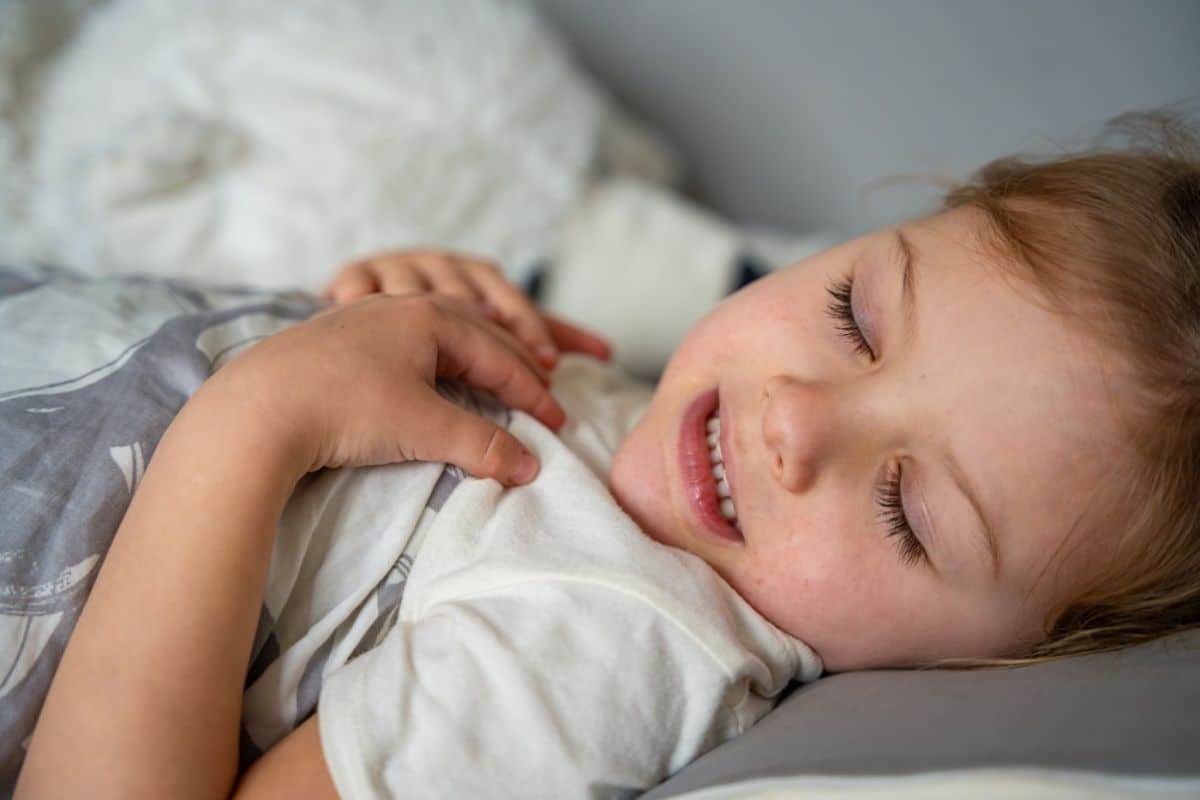
If you’ve ever heard your child grinding their teeth while sleeping, you’re not alone. This condition, called bruxism, is quite common in children. While occasional teeth grinding isn’t usually a problem, frequent grinding can lead to dental issues and discomfort. In this article, we’ll explore what bruxism is, its causes, the signs to watch for, and how to manage it to keep your child’s teeth healthy.
What Is Bruxism?
Bruxism is when someone grinds, clenches, or gnashes their teeth involuntarily. Sleep bruxism can happen during the day or during the night (awake bruxism). Since nighttime grinding occurs while your child is asleep, it can be harder to detect. Many children outgrow bruxism, but if it’s severe, it can cause jaw pain, headaches, and even damage their teeth.
Why Do Kids Grind Their Teeth?
There isn’t one single reason why children grind their teeth. Several factors may contribute, including:
- Misaligned Teeth: If a child’s teeth don’t line up properly, they may grind them to find a more comfortable position.
- Stress or Anxiety: Children can experience anxiety and stress as well as adults. Changes at home, school, or in social settings may cause them to clench or grind their teeth without realizing it.
- Teething or Pain Relief: Younger children may grind their teeth to ease discomfort from teething or ear infections.
- Sleep Disorders: Bruxism is sometimes linked to conditions like sleep apnea, where a child has trouble breathing during sleep. The body may respond by grinding the teeth to help keep the airway open.
- Hyperactivity or ADHD: Children who are naturally very active or have ADHD may be more prone to grinding their teeth due to increased energy levels and nervous system activity.
- Medications: Some medications, especially those for ADHD, can have bruxism as a side effect.
Signs That Your Child May Have Bruxism
It can be tough to tell if your child is grinding their teeth, especially at night. Here are some common signs:
- Grinding Sounds: You may hear a clicking or grinding noise while they sleep.
- Jaw Pain or Soreness: Your child might wake up complaining about a sore jaw.
- Tooth Sensitivity: Grinding can wear down the enamel, making teeth more sensitive to hot and cold foods.
- Frequent Headaches: Muscle tension from grinding can cause headaches, especially in the morning.
- Chipped or Worn Teeth: Over time, excessive grinding can cause noticeable damage.
- Sleep Problems: If bruxism is related to sleep apnea, your child may wake up often or feel tired despite sleeping through the night.
If your child exhibits these symptoms, it’s a good idea to talk to a pediatric dentist.
Talking to a Pediatric Dentist About Teeth Grinding
A pediatric dentist can determine if your child’s teeth grinding requires treatment. During pediatric dental a visit, they may ask about:
- Your child’s sleep habits and stress levels
- Any complaints of jaw pain or headaches
- Their medical history and any medications they take
- Whether you’ve heard grinding noises while they sleep
Sharing these details can help the dentist diagnose and manage the issue.
How Do Dentists Diagnose Bruxism in Kids?
A pediatric dentist will check for signs of teeth grinding through:
- A Physical Exam: They’ll look for worn-down teeth, jaw tenderness, or other signs of grinding.
- Sleep Studies (If Needed): If sleep apnea is suspected, a doctor may recommend a sleep study to check breathing patterns.
- Bite Alignment Check: The way your child’s teeth fit together could be contributing to their grinding.
How to Treat Bruxism in Children
The appropriate treatment depends on the cause and severity of the grinding. Mild cases may not require treatment, but if it’s causing pain or damage, these options might help:
- Mouthguards (Night Guards): A custom-fitted mouthguard can protect your child’s teeth from grinding. It acts as a cushion, reducing damage and discomfort.
- Managing Stress and Anxiety: If stress is a trigger, relaxation techniques like bedtime reading, deep breathing, or listening to calming music may help.
- Fixing Dental Alignment Issues: If misaligned teeth are the cause, a pediatric orthodontist might recommend braces or other treatments.
- Addressing Sleep Problems: If sleep apnea is involved, a pediatrician or sleep specialist may suggest treatments like tonsil removal or CPAP therapy.
- Behavioral Therapy: Some children benefit from biofeedback therapy, where they learn to control their jaw muscles.
- Avoiding Stimulants Before Bed: Cutting out caffeine and sugary snacks before bedtime can help reduce hyperactivity and teeth grinding.
How to Prevent Teeth Grinding in Kids
Although bruxism often resolves on its own, there are steps parents can take to help:
- Create a Calm Bedtime Routine: Help your child relax before bed with quiet activities like reading.
- Ensure They Get Enough Sleep: A regular bedtime and a good sleep environment can make a difference.
- Watch Their Diet and Hydration: Make sure they drink enough water and avoid caffeine.
- Schedule Regular Dental Check-Ups: A pediatric dentistry specialist can monitor their teeth and catch any problems early.
When to See a Pediatric Dental Care Specialist
Bruxism isn’t always a significant concern, but if your child has frequent jaw pain, damaged teeth, or trouble sleeping, it’s best to consult a pediatric dental care expert. Getting the right care early on can prevent long-term dental problems and keep your child comfortable. By staying informed and working with a dentist, you can help protect your child’s smile and ensure they get a good night’s sleep.