
Your child is constantly on the move. Weekend soccer games, after-school swim practice, weekend trips to Six Flags Fiesta Texas, and barely a moment to sit still long enough for dinner. Now, during their routine checkups, the oral care provider says it is time to start straightening their teeth. You are immediately picturing metal brackets getting knocked loose during a game or a mouthguard that no longer fits correctly over braces. And somewhere in the back of your mind, you are wondering whether there is a better option for a kid who simply never stops moving.
That question deserves a real answer. Not a sales pitch. Not a one-size-fits-all response. Here is what every parent of an active toddler actually needs to understand before making this decision.
What Makes Clear Aligners Different From Traditional Braces for Kids?
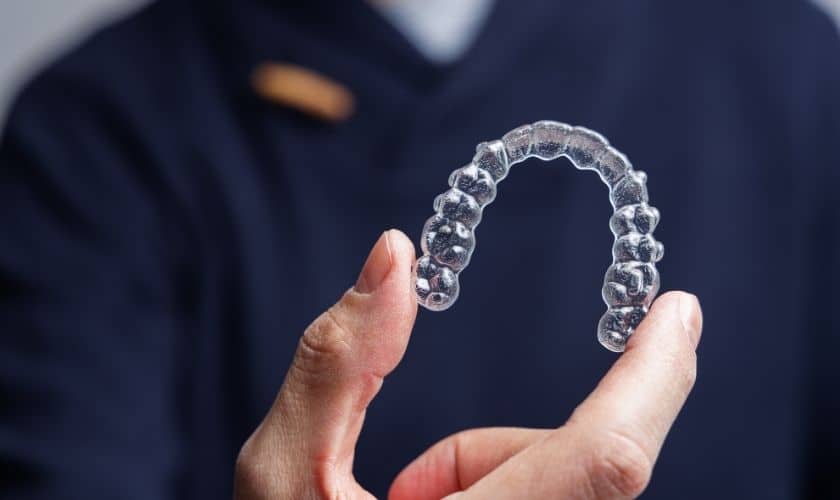
Clear aligners are custom-fitted trays worn over the teeth to gradually shift them into the correct position. They are made from a smooth, flexible plastic material and fit snugly over the entire arch of teeth. Unlike traditional metal braces, there are no brackets cemented to individual teeth and no wires that run across the smile.
Removability: They come out for eating, brushing, and playing contact sports. A tot can remove them, put in a mouthguard, finish the game, and put the trays back in within minutes.
Comfort during activity: There are no sharp edges or protruding hardware. For little ones who play instruments, wrestle, or take a ball to the face on occasion, that physical difference matters enormously.
Appearance: The trays are nearly invisible. For older kids and teens who are already self-conscious about their appearance, this factor alone changes how they feel about the entire treatment experience.
Hygiene control: Because they come out, brushing and flossing stay exactly the same as before treatment. There is no need to navigate around brackets or thread floss under wires.
Is Your Child Ready for This Level of Responsibility?
This is the question most families in San Antonio do not think to ask until they are already mid-treatment. Clear aligner systems only work when they are worn consistently. The standard recommendation is 20 to 22 hours per day. That means they go back in immediately after meals, after sports, and after any activity that requires removal.
For younger children, that level of discipline can be genuinely challenging. Here is what determines readiness:
Age and maturity: Most professionals recommend teeth aligning therapy for toddlers who are at least in their early teens and have most of their permanent teeth in place. Younger ones are often better served by other appliances until they are developmentally ready to manage removable trays.
Motivation: A youngster who wants straighter teeth and understands why compliance matters tends to do far better than one who is going through treatment only because a parent insisted. That internal motivation is a strong predictor of success.
Organizational habits: Can your little one keep track of a retainer, a water bottle, and a lunchbox? If small items tend to disappear in your household, that pattern is worth addressing before investing in a set of clear trays.
Parental involvement: Younger patients almost always benefit from a parent who checks in daily, reminds them to return trays, and attends every follow-up appointment. This is a team effort, not a solo process.
What Do Parents Get Wrong About Aligners and Active Lifestyles?
The most common misconception is that removability means flexibility without consequences. Removing the appliance for every activity, snack, and social situation adds up quickly. Even a few extra hours out of the mouth each day over the course of weeks can slow tooth movement significantly or require additional trays to compensate.
In San Antonio, with its warm climate that allows youth sports to run year-round, kids often find themselves juggling multiple activities, from fall baseball to spring track. Because of this busy schedule, it can be tempting to leave trays out during long practice sessions. However, developing a simple habit of managing trays from the very beginning can help prevent any delays in treatment later on.
Here is what oral care providers in San Antonio usually advise:
- Create a consistent removal routine: Trays come out before meals, go into a case immediately, and go back in as soon as brushing is done. That routine, practiced daily, becomes automatic within a few weeks.
- Use a tracking app: Several clear aligners offer companion apps that track wear time and remind patients when to put trays back in. For tech-oriented kids and teens, this can be a game-changer.
- Keep backup aligner cases nearby: Toddlers often eat between practices, games, and school activities. Keeping extra cases in sports bags, backpacks, or lockers helps prevent trays from getting wrapped in napkins, being misplaced, or accidentally thrown away.
Where Are Braces Still the Smarter Choice for Young Patients?
Teeth straightening with an aligner system is not the right fit for every orthodontic case.
- Severe alignment issues: Significant crowding, large gaps, or complex bite corrections sometimes require the precise control that only fixed appliances provide. Compliance cannot compensate for a tool that is not designed for the complexity of the case.
- Very young patients: Youngsters who still have several baby teeth or whose jaws are still actively growing are generally not yet candidates. The timing of treatment matters as much as the type.
- Low compliance risk: If a toddler has already shown difficulty keeping track of retainers or following through on other health routines, that pattern is important clinical information. A lost or forgotten tray is not just an inconvenience. It is a treatment setback.
Oral care decisions should always be based on what your junior actually needs, not on what sounds most convenient or modern. The most effective approach is the one that suits the individual patient you’re caring for.
If you have been weighing this decision and want a clear, honest evaluation for your child, we encourage you to visit our dental office in San Antonio and let our team walk you through exactly what their smile needs.
Your Child Deserves Orthodontic Care That Fits Their Life
At Bexar Orthodontists and Pediatric Dentists, we know that no two kids are the same. And thus, our team takes the time to understand their lifestyle, maturity level, and specific orthodontic needs before recommending a treatment path. We do not push one solution over another. We build a plan that actually works for your family. Ready to find out whether clear aligners are the right fit for your active youngster? Book an appointment with our dental professional team in San Antonio today and take the first step toward a smile that keeps up with everything your junior does.
Frequently Asked Questions
Q. Are clear aligners safe for kids who play sports?
Yes. They do not contain metal brackets or wires that can cut the lips or cheeks during physical activity, making them a popular option for active children and teens.
Q. Can kids remove clear aligners during sports practice?
The transparent trays are often removed briefly during contact sports when wearing a mouthguard is necessary. Consistent wear afterward remains important for keeping treatment progressing on schedule.
Q. Do clear aligners affect speech in young patients?
Some youngsters notice a mild lisp during the first few days of treatment. Speech usually adjusts quickly as the tongue adapts to the appliance.
Q. What happens if a child forgets to wear clear aligners regularly?
Inconsistent wear can delay tooth movement and extend treatment time. Dental professionals usually recommend wearing them 20 to 22 hours daily for predictable progress.
Q. Are clear aligners easier to clean than traditional braces?
Yes. Since the trays are removable, brushing and flossing remain much simpler compared to cleaning around brackets and wires, helping reduce plaque buildup during treatment.