
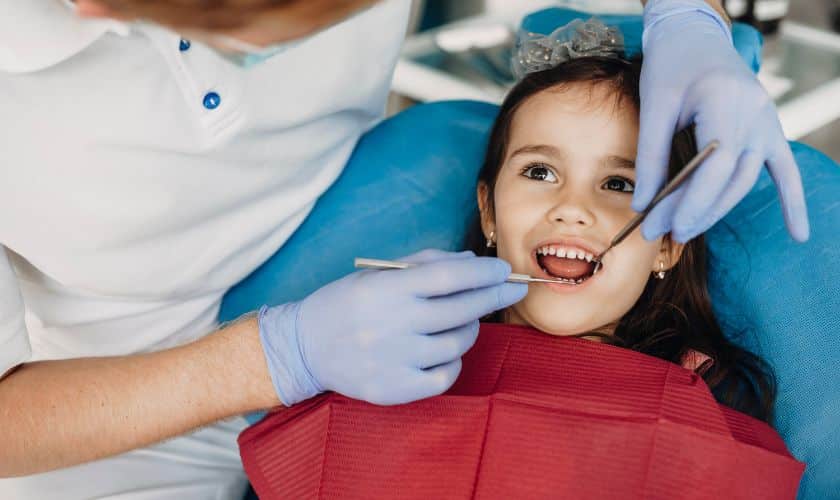
Parents often wonder how to prepare for a child’s first dental experience, especially when their child has unique sensory preferences or challenges. The right preparation can make the experience calmer, more predictable, and more comfortable for everyone involved.
At Bexar Orthodontists & Pediatric Dentists, Dr. Jarod Oliver understands that every child responds differently to new environments. A thoughtful approach helps children feel more confident while allowing parents to stay involved throughout the process. Whether your child is sensitive to sounds, lights, textures, or unfamiliar routines, knowing what to expect can reduce anxiety before the appointment even begins.
Families seeking pediatric dentistry in San Antonio often want practical guidance that supports positive experiences from the very first visit. This guide explains each step, offers preparation tips, and shows how thoughtful planning can create a smoother introduction to lifelong oral health.
Why Is the First Dental Experience Important for Children with Sensory Needs?
A positive first experience builds trust, reduces anxiety, and helps children feel more comfortable with future oral healthcare.
Many children need extra time to adjust to unfamiliar settings. Bright lights, new smells, dental instruments, or unexpected sounds can feel overwhelming. Planning ahead allows the dental team to introduce each step gradually.
A calm beginning often shapes how children respond to future appointments. When they feel respected and understood, they are more likely to cooperate during future checkups and develop healthier oral care habits.
How Can Parents Prepare Before the Appointment?
Preparing before the appointment often has the greatest impact on a child’s comfort level.
Talk About What Will Happen
Use simple language to explain what your child may see and hear. Avoid words that sound frightening. Instead, describe the visit as an opportunity to count teeth, look at the smile, and keep teeth healthy.
Reading children’s books about visiting the dentist or watching short educational videos can also help children become familiar with the process.
Share Your Child’s Preferences
Before arriving, let the practice know about your child’s sensory sensitivities.
Helpful information includes:
- Sensitivity to bright lights
- Noise sensitivity
- Preferred communication style
- Favorite comfort items
- Triggers that may cause stress
- Successful calming techniques used at home
Providing these details helps the team prepare before your child arrives, rather than reacting during the appointment.
Schedule at the Right Time
Many families find that morning appointments work well because children are usually more rested and routines are less disrupted.
Parents from Stone Oak, Alamo Ranch, Helotes, and nearby San Antonio communities often choose appointment times that fit their child’s daily routine rather than squeezing them between busy activities.
What Happens During the First Appointment?
The first visit focuses on helping your child feel comfortable during a gentle oral evaluation.
Every child moves at their own pace. Rather than rushing through every step, the team may introduce equipment gradually.
During the appointment, the pediatric dentist in San Antonio may:
- Welcome your child in a calm manner
- Allow time to explore the room
- Count the teeth
- Examine the gums and bite
- Evaluate the overall children’s oral health
- Discuss home brushing habits
- Answer parents’ questions about growth and development
Many children complete the entire examination during their first visit. Others benefit from taking small steps, and both approaches are perfectly appropriate.
Dr. Jarod Oliver and the team at Bexar Orthodontists & Pediatric Dentists understand that flexibility often leads to more positive outcomes than trying to force a complete examination.
What Comfort Strategies Help Children with Sensory Differences?
Children with sensory sensitivities often benefit from predictable routines and familiar coping techniques.
- Bring Familiar Comfort Items
A favorite blanket, stuffed animal, or sensory toy can provide reassurance during the appointment.
Some children also benefit from noise-reducing headphones or sunglasses if bright lights or sounds feel overwhelming.
- Practice at Home
Pretend to be the dentist before the appointment.
Practice opening wide, counting teeth, and gently brushing while your child sits comfortably. These short practice sessions make the real experience feel much more familiar.
- Allow Extra Time
Rushing increases stress for both parents and children.
When families have extra time before the appointment, children can adjust to the surroundings without feeling pressured. This simple change often creates a calmer experience for everyone.
- Celebrate Cooperation
Praise your child for participating rather than focusing on perfection.
Small accomplishments, such as sitting in the chair or opening their mouth for a few seconds, deserve encouragement because they build confidence for future visits.
Many families discover that gradual success creates lasting comfort with pediatric dental care and encourages positive lifelong habits.
Can Every Dental Procedure Be Adapted for Children with Sensory Needs?
Yes, many aspects of a child’s appointment can be adjusted to create a more comfortable experience while still supporting healthy oral development.
No two children respond the same way. Some are comfortable after a few minutes, while others benefit from a slower introduction. Flexibility helps create positive experiences without overwhelming the child.
A Step-by-Step Approach Builds Confidence
Rather than completing every step at once, the team may introduce one part of the examination at a time. This method allows children to become familiar with new sights, sounds, and sensations before moving forward.
A typical routine dental examination may include:
- Greet the child in a calm environment
- Sitting in the chair without pressure
- Looking at the teeth with a small mirror
- Discussing brushing and eating habits
- Completing a gentle pediatric dental checkup if the child is comfortable
Some children also benefit from “tell-show-do,” where the provider explains an instrument, demonstrates it, and then uses it only after the child understands what to expect.
If additional care is needed later, families can discuss options such as preventive treatments or sedation services when appropriate. This gradual approach supports preventive pediatric dentistry while respecting each child’s pace.
How Can Parents Support Their Child After the Appointment?
The experience does not end when the visit is over. Positive reinforcement afterward helps children remember the day in a healthy way.
Celebrate your child’s effort instead of focusing on whether every part of the examination was completed. A favorite activity, extra playtime, or simple praise reinforces confidence.
Continue talking about oral health at home. Daily brushing, flossing when appropriate, and regular preventive dental care for children help make future visits feel like a normal part of growing up.
For infants and toddlers, consistent oral care routines also create familiarity with oral hygiene long before more advanced care is needed.
When Should Parents Ask About Additional Support?
Parents should speak with the dental team before the appointment if they know their child has significant sensory sensitivities or communication preferences.
Sharing this information early allows the team to prepare the environment, adjust scheduling when possible, and explain each step in a way that matches your child’s needs.
If your child has previously struggled during medical or dental appointments, mentioning those experiences can also help create a more successful plan.
Families looking for a child-friendly dentist often appreciate practices that encourage parent participation, flexible pacing, and family-centered dental care. These simple adjustments can lead to more positive experiences over time.
Before your next appointment, visit our dental practice to learn more about services that support children of all ages, including preventive visits, orthodontic evaluations, and other treatments that promote lifelong oral health.
Helping Your Child Feel Comfortable Starts with the Right Team
Every child’s first experience should build confidence, not fear. At Bexar Orthodontists & Pediatric Dentists, Dr. Oliver and the team believe that thoughtful preparation and compassionate communication help children feel comfortable from the moment they arrive. Families throughout San Antonio and nearby communities trust the practice because every patient is welcomed into a modern, friendly environment designed to support comfort at each visit.
From pediatric dental care and preventive services to braces, clear aligners, orthodontic treatment, and, when appropriate, sedation dentistry, the practice provides comprehensive care for growing smiles under one roof. As a trusted provider of pediatric dentistry, the team focuses on making every appointment a positive experience for both children and parents.
If you are looking for a reliable pediatric dentist in San Antonio who understands children with unique sensory needs, book an appointment today. Call +1210-951-6481 to schedule a visit and let Dr. Oliver help your child begin a lifetime of healthy, confident smiles.
Frequently Asked Questions
1. At what age should a child have their first dental appointment?
Most children should have their first visit by their first birthday or within six months after the first tooth appears. Early evaluations allow the dentist to monitor oral development, answer parent questions, and recommend preventive care. Starting early also helps children become comfortable with regular dental visits and creates positive habits that support lifelong oral health.
2. What if my child refuses to sit in the dental chair?
It is common for children to need time before feeling comfortable in a new setting. A gentle approach, gradual introductions, and positive encouragement often help children build confidence over multiple visits. A pediatric dental team can adjust the pace to meet your child’s comfort level while supporting healthy oral development.
3. Can parents stay with their child during the appointment?
Yes. Many pediatric practices encourage parents to remain with younger children, especially during an initial visit. Having a familiar person nearby often helps children feel more secure and relaxed. Parents can also provide helpful information that allows the dental team to communicate in ways that are most comfortable for the child.
4. What should I bring to my child’s first appointment?
Bring your child’s medical history, insurance information if applicable, a list of medications, and any comfort items your child enjoys. Sharing details about routines, communication preferences, or sensory triggers before the visit also helps the dental team prepare an approach that supports a positive experience and encourages continued pediatric oral care.
5. How often should children return after their first visit?
Most children benefit from regular checkups every six months, although the dentist may recommend a different schedule based on individual oral health needs. Routine visits allow the dental team to monitor growth, identify concerns early, provide preventive treatments when appropriate, and help children become increasingly comfortable with ongoing dental care.