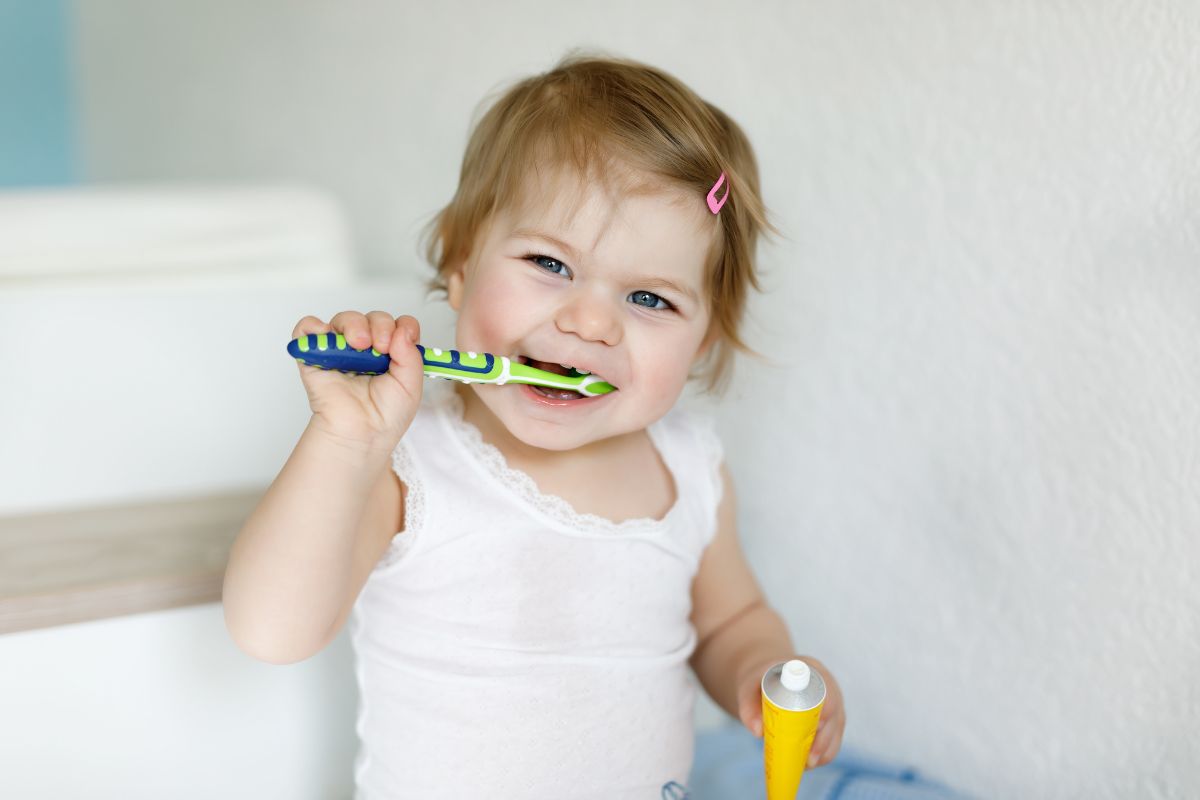
Does your child treat tooth brushing like a daily battle?
If your little one hides the moment you pick up the toothbrush or refuses to open their mouth, you’re not alone. Many parents struggle to make brushing part of their child’s routine. Even a
pediatric dentist will tell you that this is a common challenge during early childhood. The good news is that brushing doesn’t have to feel like a chore. With a little creativity and consistency, you can turn those two minutes into an enjoyable part of the day.
Healthy brushing habits begin early and can last a lifetime. By making oral care fun instead of stressful, you’re helping your child protect their smile while teaching them an important life skill. Here’s how you can encourage your child to look forward to brushing every morning and night.
Why Is Daily Tooth Brushing So Important for Children?
Baby teeth may eventually fall out, but they play a vital role in your child’s overall development. They help children chew comfortably, speak clearly, and guide permanent teeth into the correct positions.
Skipping regular brushing allows plaque to build up, increasing the risk of cavities, gum irritation, and tooth pain. Establishing a consistent brushing routine also helps children understand that caring for their teeth is simply part of staying healthy.
When children develop positive habits early, they are more likely to maintain them well into adulthood.
Let Your Child Choose Their Own Toothbrush
Children are more excited about brushing when they have some control over the process.
Take your child shopping and allow them to choose:
- A toothbrush featuring their favorite character
- Bright colors, they enjoy
- Soft bristles designed for children
- An age-appropriate toothbrush that fits comfortably in small hands
A toothbrush that feels special can instantly make brushing more appealing.
Pick a Toothpaste Your Child Likes
Many children dislike brushing because they don’t enjoy the taste of toothpaste.
Choose a fluoride toothpaste that offers child-friendly flavors, such as:
- Bubble gum
- Watermelon
- Strawberry
- Mild mint
Using a flavor your child enjoys can remove one of the biggest obstacles to consistent brushing.
Turn Two Minutes Into a Fun Activity
The recommended brushing time is two minutes, but that can feel like forever to a young child.
Try making those two minutes entertaining by:
- Playing your child’s favorite song
- Using a brushing timer app
- Watching a two-minute brushing video
- Dancing together while brushing
- Setting a colorful sand timer nearby
Children are much more likely to brush for the full two minutes when they’re having fun.
Make Brushing Feel Like a Family Activity
Children naturally imitate what they see. Brush your teeth alongside your child each morning and evening. Instead of simply telling them what to do, show them how you brush every surface of your teeth and gums.
When brushing becomes something the entire family does together, children often become more willing participants.
Create a Reward System That Encourages Healthy Habits
Positive reinforcement works better than punishment. Consider using a simple brushing chart where your child earns a sticker after each successful brushing session. Once they collect enough stickers, reward them with something special, such as:
- Choosing the next family movie
- Extra story time
- A visit to the park
- A small non-food prize
Celebrate consistency rather than perfection. Encouragement builds confidence and helps children stay motivated.
Use Stories and Imagination
Young children love pretend play. Create simple stories about “sugar bugs” trying to hide on their teeth and explain that brushing sends the bugs away before they can cause cavities.
You can also pretend the toothbrush is a superhero protecting every tooth from plaque and germs.
These imaginative games make brushing feel less like a responsibility and more like an adventure.
Read Books About Brushing Teeth
Many children’s books introduce oral hygiene in a fun and relatable way.
Reading stories about characters who brush their teeth helps children understand why brushing matters. It also reinforces the routine in a positive, pressure-free environment.
Adding a bedtime story about healthy smiles can make the entire nighttime routine go more smoothly.
Use Technology to Your Advantage
Technology isn’t always the enemy when it comes to healthy habits.
Interactive brushing apps can:
- Track brushing time
- Play music
- Offer games
- Award virtual badges
- Teach proper brushing techniques
Many electric toothbrushes designed for kids also include timers and fun features that keep children engaged throughout the entire brushing session.
Keep Brushing Positive and Stress-Free
Some days will be easier than others. If your child refuses to brush, avoid turning it into a power struggle. Stay calm, encourage them gently, and maintain the routine.
Consistency is far more effective than frustration. Children often respond better when brushing is presented as an expected part of the day rather than something they can negotiate.
Teach the Right Brushing Technique
Making brushing fun is important, but brushing correctly matters just as much.
Help your child:
- Hold the toothbrush at a slight angle.
- Brush gently using small circular motions.
- Clean the front, back, and chewing surfaces of every tooth.
- Brush the tongue to help reduce bacteria.
- Brush for a full two minutes twice every day.
Until children develop enough hand coordination, parents should supervise or assist with brushing to ensure every area is cleaned properly.
Don’t Forget About Flossing
Once your child’s teeth begin to touch, flossing becomes an important part of their oral hygiene routine.
Kid-friendly floss picks often make flossing easier and more comfortable for both children and parents.
Teaching flossing early helps prevent cavities between the teeth where toothbrush bristles cannot always reach.
Regular Dental Visits Complete a Healthy Routine
Even the best brushing routine at home cannot replace professional dental care. Regular checkups help keep your child’s smile healthy and provide expert guidance as they grow. Make time to
visit our dental office so your child can receive the preventive care they need in a comfortable, welcoming environment.
Routine dental visits allow your pediatric dentist to:
- Monitor healthy growth and development
- Detect cavities early
- Provide professional cleanings
- Apply preventive treatments when appropriate
- Offer personalized guidance based on your child’s needs
Positive dental experiences during childhood also help reduce dental anxiety and build confidence for future appointments.
Help Your Child Build Healthy Brushing Habits That Last
Every child develops healthy habits at their own pace, but your encouragement makes all the difference. By making brushing enjoyable, staying consistent, and leading by example, you can help your child develop strong oral hygiene habits that support a healthy smile for years to come.
Pairing a fun brushing routine at home with regular professional dental checkups gives your child the best opportunity to maintain healthy teeth and gums as they grow. If you’re looking for trusted pediatric dental care in San Antonio,
book an Appointment with Bexar Orthodontists & Pediatric Dentists. Dr. Jarod Oliver and our dental team are here to answer your questions, monitor your child’s oral development, and help every young smile stay healthy, confident, and cavity-free.
FAQs
1. At what age should I start brushing my child’s teeth?
You should begin brushing as soon as your child’s first tooth appears, usually around 6 months of age. Use a soft infant toothbrush and a tiny smear of fluoride toothpaste until your child is old enough to spit it out.
2. How long should my child brush their teeth?
Children should brush for two minutes, twice a day, every morning and before bedtime. Using a timer, song, or brushing app can help make the full two minutes more enjoyable.
3. How can I get my child to brush their teeth without a fight?
Make brushing fun by letting your child choose their toothbrush, playing music, using reward charts, and brushing together as a family. Staying patient and consistent is often more effective than forcing the routine.
4. When should my child start flossing?
Flossing should begin as soon as two teeth touch. Daily flossing helps remove plaque and food particles from areas a toothbrush cannot easily reach.
5. Should parents help children brush their teeth?
Yes. Most children need supervision or assistance until they develop the hand-eye coordination to brush effectively, often around ages 7 to 8. Parents can help ensure every tooth is cleaned properly.
6. What type of toothpaste is best for children?
Choose a fluoride toothpaste that is appropriate for your child’s age. Child-friendly flavors can make brushing more enjoyable while fluoride helps strengthen enamel and reduce the risk of cavities.
7. How often should children visit the dentist?
Children should generally have a dental checkup every six months unless their dentist recommends a different schedule. Regular visits help detect problems early and support healthy oral development.