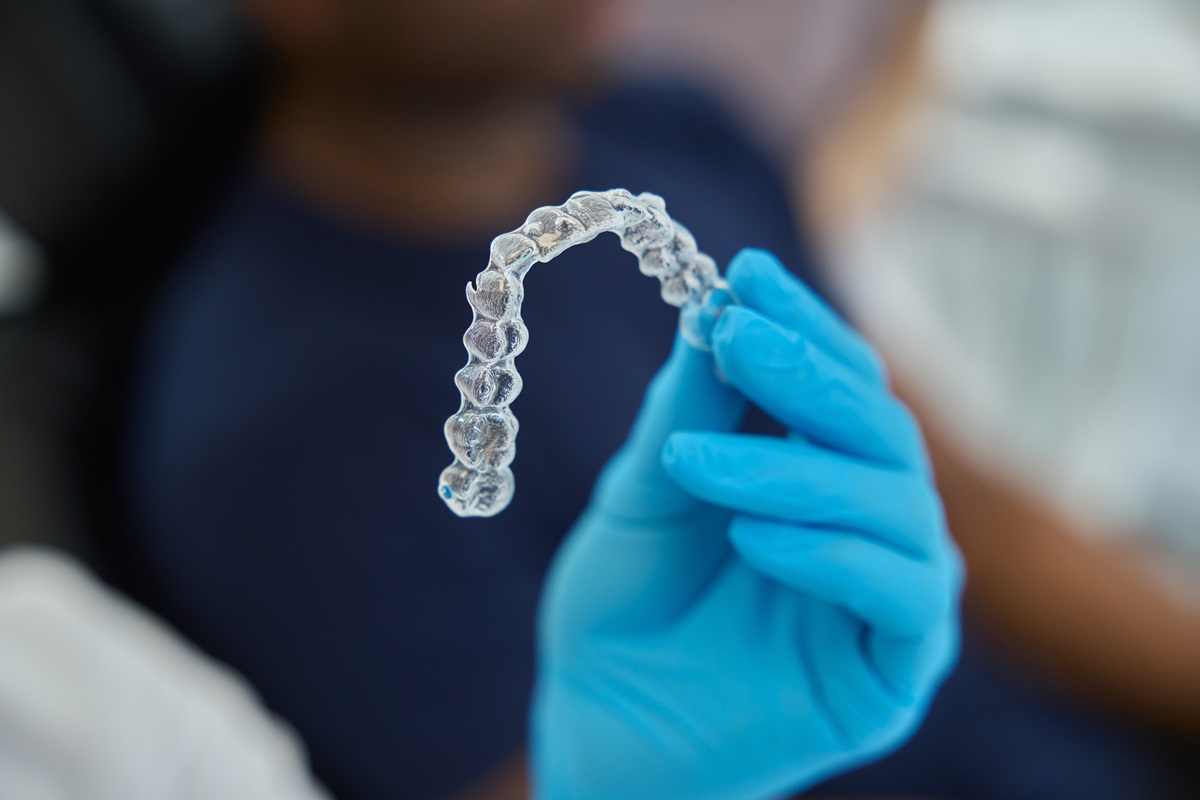
Deciding to straighten your teeth is a big step, and how you eat during treatment plays a critical role in how smoothly your treatment goes. While clear aligners offer the benefit of removable trays, they also require mindful eating habits. Understanding what to avoid helps protect both your dental health and your dental trays.
Why Are Some Foods And Drinks Risky During The Treatment?
Clear dental trays are made of transparent plastic that can warp, stain, or trap food and bacteria if misused. During treatment, some items, such as hard, sticky, sugary, or heavily pigmented foods and drinks, can compromise the integrity of dental plastics. It will promote decay and interfere with the tooth movement. For patients considering clear aligners, knowing which foods to avoid helps ensure treatment progresses smoothly.
- Hard or crunchy foods — items like nuts, popcorn kernels, hard candies, or raw vegetables may crack or distort the trays if accidentally bitten.
- Sticky and chewy sweets — caramels, taffy, chewing gum, or sticky candies adhere easily to trays and teeth, making cleaning difficult and increasing the risk of plaque.
- Sugary or acidic snacks & beverages — sodas, fruit juices, or sweets can contribute to acid attacks under the trays and encourage bacterial growth, possibly leading to decay.
- Staining drinks and foods — coffee, tea, dark sodas, red wine, berries, tomato-based sauces, richly colored curries, etc., contain pigments that can stain or discolor the aligner plastic if they remain in contact.
- Hot beverages — because heat can deform the plastic, coffee, tea, or hot soups with trays on may warp the shape, affecting fit and alignment efficacy.
Given these risks, many orthodontists recommend removing the trays for all meals (except water) to safeguard the trays and your teeth.
Best Practices For Eating And Drinking With Clear Dental Trays
To keep your treatment on track and preserve oral health, follow these habits:
- Always remove trays before eating or drinking anything other than water. This protects the discreet braces from damage and prevents food from becoming trapped.
- Rinse or brush your teeth before reinserting trays. Even small crumbs or sugar can get stuck between your teeth and aligners. It creates a breeding ground for plaque and cavities.
- Avoid frequent snacking. Frequent tray removals increase the chance of lost or damaged aligners and disrupt treatment efficiency.
- Stick to soft, easy-to-chew meals after switching to a new tray. For a few days after tray changes, teeth may be more sensitive, so gentle foods minimize discomfort.
- Hydrate with water. Cold or room-temperature water is safest. It will not stain or warp the trays, and it helps flush food residue until brushing is possible.
Following these steps will help ensure that you get the best results from
your clear aligner treatment and protect both your teeth and the appliance.
Why Proper Eating Habits Matter For The Perfect Teeth Alignment?
When invisible brace wearers follow recommended care and avoid risky foods, treatment stays on schedule, and final results are predictable. Skipping these precautions can lead to warped trays. It will further delay progress, cause poor fit, and lead to dental health issues like decay or gum inflammation. In the long run, these undermine the very benefits of your orthodontic treatment.
Moreover, clean trays reduce bacterial buildup. This helps preserve enamel and gum health, which is significant during tooth movement when sensitivity and vulnerability are higher. For anyone interested in clear aligner treatment, maintaining these habits helps optimize its benefits.
Let’s Help You Stay On Track
If you are using clear aligners or considering starting treatment, we encourage you to reach out for personalized guidance. When you
visit our dental office, our team can walk you through aligner‑friendly habits, recommend safe foods, and help you adjust to lifestyle changes comfortably.
Whether you are at the beginning of treatment or mid-way through, staying informed about what to avoid and how to care for your teeth straighteners ensures optimal results.
Frequently Asked Questions
Q1: Can I drink coffee or soda while wearing clear aligners?
No — hot drinks or colored beverages can stain or warp the trays and trap sugars against teeth under the invisible braces. Always remove them before drinking anything other than plain water, and clean your teeth thoroughly afterward.
Q2: What happens if I eat while aligners are in?
Eating with clear dental trays can crack or deform them and embed food particles between the teeth and the plastic. That can lead to poor fit, delayed results, or increased risk of decay.
Q3: Are aligners comfortable, or will they hurt when I start a new set?
Most patients feel mild pressure or soreness when transitioning to a new aligner set, a regular part of the teeth‑movement process. This usually subsides within a day or two as your teeth adjust.
Q4: Can I still brush and floss normally while using aligners?
Yes! One major advantage of clear trays is that you can remove them to brush and floss thoroughly, avoiding plaque buildup that braces often trap. Good oral hygiene supports healthier gums and better outcomes.
Q5: How strictly do I need to follow the wearing schedule for effective treatment?
Very strictly. Transparent braces should remain in about 20‑22 hours per day to ensure consistent pressure and predictable tooth movement. Skipping wear time or frequent breaks can slow progress or compromise results.