
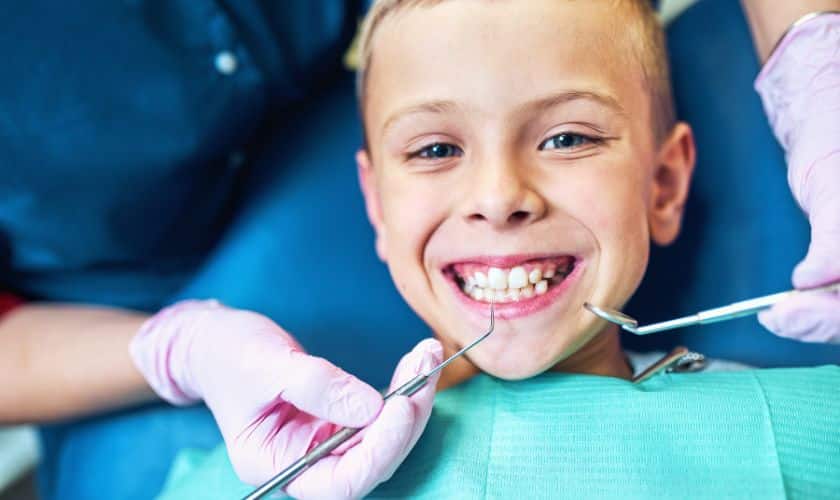
Ensuring your child’s well-being after pediatric dental sedation is crucial for a smooth and safe recovery. If you’ve recently visited a kid’s dentist and your child has undergone sedation dentistry for kids, here’s a comprehensive guide on how to care for them post-procedure.
Understanding Dental Sedation For Children
Before delving into post-sedation care, it’s essential to understand the common types of dental sedation for children. Nitrous oxide (laughing gas), children oral sedation, and IV sedation are frequently used to help children relax during dental procedures. Each type has different recovery considerations, so it’s vital to know the specific sedation method used for your child. Parents looking into sedation dentistry for kids should discuss options with their dentist.
Immediate Post-Sedation Period
After dental sedation for kids, your child will need some time to fully wake up and recover from the effects of the sedative. The immediate post-sedation period involves monitoring their vital signs, ensuring they are breathing comfortably, and allowing them to regain consciousness in a calm and quiet environment. The dental staff, including the kids’ dentist, will closely observe your child during this time.
Gradual Waking-Up Process
Children may experience drowsiness, grogginess, or disorientation after sedation dentistry. It’s crucial to allow them to wake up gradually and not rush the process. Provide a comfortable and quiet space for your child to rest, ensuring they have sufficient time to fully recover before attempting any activities.
Hydration and Nutrition
Maintaining hydration is essential for the recovery process. Encourage your child to drink water or clear liquids once they are awake and alert. Avoid offering heavy or solid foods immediately, especially if the child has received IV sedation or oral sedation. Start with light and easily digestible snacks, gradually reintroducing regular meals as their appetite returns.
Monitoring For Side Effects
While most children tolerate sedation dentistry well, monitoring for any potential side effects is important. Watch for nausea, vomiting, or allergic reactions. If your child experiences persistent or severe side effects, contact the pediatric dentist promptly for guidance.
Rest
Rest is a crucial component of the recovery process after sedation dentistry for kids. Plan for a quiet and restful day for your child, avoiding activities that may be physically demanding or overly stimulating. This helps prevent overexertion and allows the soothing effects to wear off gradually.
Oral Care After Sedation
Proper oral care is essential after dental sedation. Encourage your child to rinse their mouth with water, but avoid using a mouthwash immediately after sedation. The dentist who performed the pediatric dental sedation may provide specific instructions on oral care post-sedation, so follow their guidance.

Follow-Up Appointment With The Kid’s Dentist
Scheduling a follow-up appointment with the kid’s dentist is a standard part of post-sedation care. This allows the dentist to assess your child’s recovery, address any concerns, and ensure that the dental procedure was successful. Attend the follow-up appointment as scheduled to receive valuable feedback and further instructions regarding your child’s oral sedation experience.
Activities and Screen Time
Limit physical activities and screen time during the initial recovery period. Sedation can temporarily affect coordination and concentration, so engaging in calm and low-stimulation activities is advisable. Reading books, watching light television, or playing quiet games can be suitable options after dental sedation for kids.
Addressing Anxiety and Emotional Support
Children may experience anxiety or fear associated with dental visits, especially after undergoing sedation. Provide emotional support, reassure your child, and address any concerns they may have. Open communication fosters a positive attitude toward sedation dentistry and helps children manage anxieties about future visits.
Recognizing Emergency Signs
While complications after child sedation dentistry are rare, it’s important to be aware of potential emergency signs. Persistent vomiting, difficulty breathing, or severe allergic reactions are red flags. In such cases, seek immediate medical attention or contact the child’s dentist for guidance.
Caring for your child after undergoing sedation dentistry is a crucial aspect of ensuring a smooth recovery and positive dental experience. By following these guidelines and communicating with the pediatric dentist in San Antonio, TX, you can contribute to your child’s well-being and foster a positive attitude toward dental care. Remember, every child responds differently to sedation, so individualized care and attention are key to a successful recovery process. Don’t hesitate to book an appointment if you have any lingering concerns about kids’ oral sedation or the recovery process.