
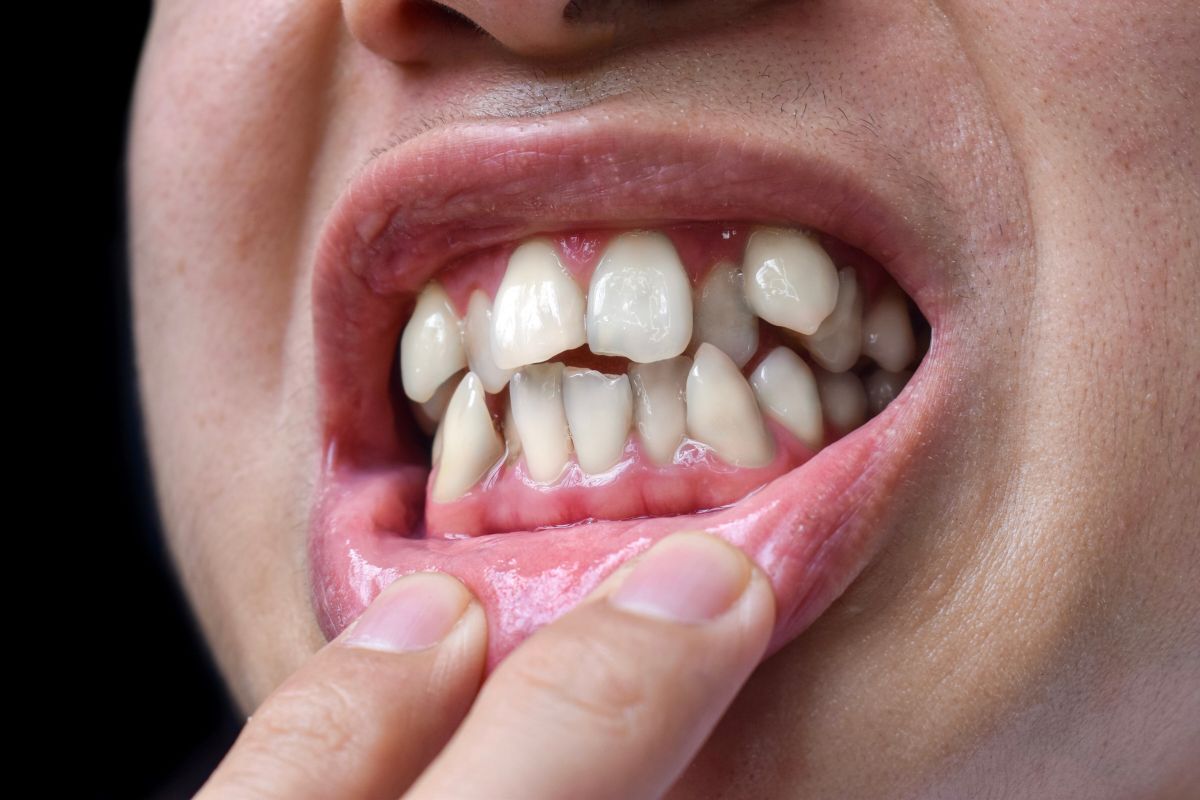
Are your teeth becoming crowded, shifting position, or harder to clean? These are often signs that it may be time to see an orthodontist. Crooked teeth can affect much more than appearance. They may contribute to bite problems, uneven tooth wear, difficulty cleaning, jaw discomfort, and long-term oral health concerns.
Many people delay treatment because they assume alignment issues are purely cosmetic. In reality, early intervention can help prevent complications and make future care more predictable.
For individuals searching for orthodontists in San Antonio, understanding the warning signs can help you make informed decisions about your oral health. At Bexar Orthodontists & Pediatric Dentists, Dr. Jarod Oliver and the team provide comprehensive evaluations to identify alignment concerns and recommend appropriate orthodontic treatment options for children, teens, and adults.
Why Do Teeth Become Crooked Over Time?
Tooth alignment can change for several reasons. Some people are born with spacing or bite issues, while others develop them over time.
Common causes include:
- Genetics and inherited jaw structure
- Early loss of baby teeth
- Thumb sucking or prolonged pacifier use
- Crowding caused by limited space in the jaw
- Impacted teeth
- Jaw growth differences
- Teeth shifting naturally with age
Even small alignment changes can gradually affect the way teeth fit together and function.
Signs You Should Not Ignore
Some alignment concerns are easy to spot, while others develop slowly. Paying attention to these signs can help you determine whether a professional evaluation is needed.
Teeth Overlap or Twist
One of the most noticeable signs is when teeth overlap, rotate, or appear crowded. Crowding creates tight spaces where plaque and food particles can accumulate, making oral hygiene more difficult.
When brushing and flossing become challenging, the risk of cavities and gum problems may increase.
Gaps Continue to Widen
Spacing between teeth may seem harmless at first. However, increasing gaps can affect bite balance and appearance. They may also indicate underlying alignment or jaw issues that should be evaluated.
Difficulty Biting or Chewing
Do you avoid certain foods because chewing feels uncomfortable? Teeth that do not align properly can create uneven pressure during meals.
Whether enjoying barbecue with friends, grabbing tacos after a Spurs game, or eating favorite local foods, chewing should feel natural and comfortable.
Frequent Biting of the Cheeks or Tongue
Accidentally biting the inside of your mouth occasionally is normal. If it happens regularly, tooth positioning may be contributing to the problem.
Poor alignment can cause certain teeth to contact soft tissues repeatedly during speaking or eating.
Speech Changes
Some alignment problems affect tongue placement and airflow. This can lead to difficulties pronouncing certain sounds clearly.
Children and adults experiencing speech concerns related to tooth positioning may benefit from a professional evaluation.
Crooked Teeth Also Affect Biting- How
Many people focus only on the appearance of their smile. However, bite function is equally important.
Upper and Lower Teeth Do Not Fit Together Properly
When the upper and lower arches fail to meet correctly, excessive force can develop on specific teeth. Over time, this may contribute to uneven wear.
Jaw Discomfort or Clicking
A misaligned bite can sometimes place additional stress on jaw joints and surrounding muscles.
If you notice:
- Jaw soreness
- Clicking or popping sounds
- Facial tension
- Morning jaw fatigue
It’s time to schedule an assessment.
Teeth Show Uneven Wear
Excessive wear on certain teeth often indicates an imbalance in bite forces. Early intervention may help protect tooth structure and improve overall function.
Adults Should Not Ignore Alignment Changes
Alignment concerns are not limited to children and teenagers. Many adults notice movement years after completing previous care or discover issues that were never addressed earlier.
Common reasons adults seek care include:
- Crowded front teeth
- Difficulty cleaning between teeth
- Bite discomfort
- Shifting teeth
- Cosmetic concerns
Modern orthodontic treatment options provide solutions that fit busy schedules and professional lifestyles.
How Professional Care Can Help
The right approach depends on the specific alignment issue, bite relationship, and overall oral health.
An evaluation may include:
- Examination of tooth positioning
- Bite analysis
- Digital imaging
- Assessment of jaw development
- Review of treatment goals
Depending on your needs, recommendations may include braces, clear aligners, or other orthodontic treatments available through the practice. The goal is to improve function, comfort, and long-term oral health while enhancing the smile’s appearance.
Why Early Action Makes a Difference
Many alignment issues become more complex when ignored. Addressing concerns sooner may help:
- Simplify future care
- Improve oral hygiene access
- Reduce uneven tooth wear
- Support healthier bite function
- Enhance smile confidence
Whether concerns are minor or more advanced, an evaluation provides clarity about available options and timing. Before small alignment issues become larger concerns, consider speaking with a professional. The team at Bexar Orthodontists & Pediatric Dentists can evaluate your needs, discuss available orthodontic treatment options, and help determine the next steps for your smile. If you are ready to move forward, book an appointment to learn more about your options.
Start Your Journey Toward a Healthier Smile
Living with crooked teeth does not mean you have to accept discomfort, cleaning challenges, or concerns about your appearance. The right care can improve both function and confidence while supporting long-term oral health.
If you have noticed crowding, spacing, bite changes, or shifting teeth, now may be the right time to seek guidance from one of the leading orthodontists in San Antonio. Bexar Orthodontists & Pediatric Dentists welcomes patients from across the area who want answers about alignment concerns and available solutions. Visit our dental office at 12314 Potranco Rd, San Antonio, TX 78253, and take the next step toward a healthier, more confident smile.
Frequently Asked Questions
1. How do I know if my alignment problem requires professional care?
If you notice crowding, spacing, bite discomfort, difficulty cleaning between teeth, or visible shifting, an evaluation can determine whether treatment may help improve function and oral health.
2. Can adults benefit from alignment correction?
Yes. Many adults seek care to address crowding, shifting, bite concerns, or appearance-related goals. Modern treatment options are available for various age groups and lifestyles.
3. Is treatment only for severe cases?
No. Even mild alignment concerns can affect oral hygiene and bite function. Early evaluation helps identify whether the intervention may prevent future complications.
4. How long does care usually take?
Treatment length varies depending on the need for tooth movement, bite complexity, and patient goals. A consultation provides a clearer timeline based on individual findings.
5. What happens during the first visit?
The initial appointment typically includes an examination, imaging, bite assessment, and discussion of treatment recommendations. This allows patients to understand their options and next steps clearly.