
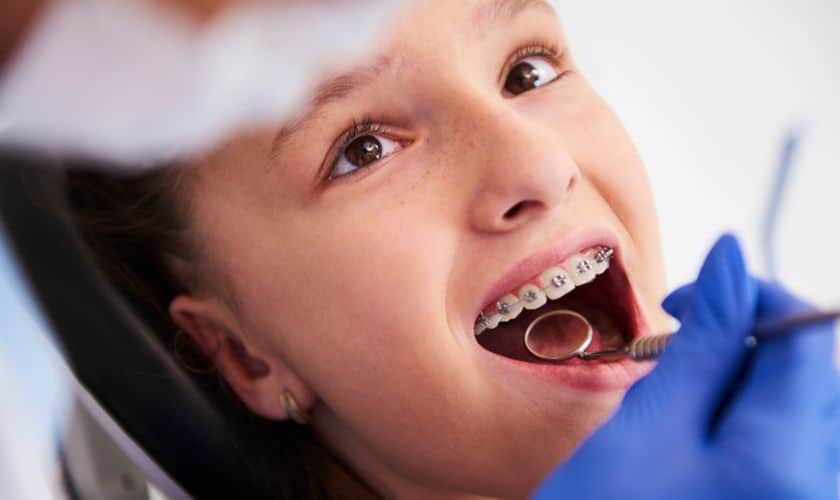
When it comes to your child’s dental health, it’s crucial to make informed decisions. At Bexar Orthodontist & Pediatric Dentists, we understand that choosing the right dental care can be overwhelming. This guide will help you understand everything you need to know about braces for kids, ensuring you feel confident in making the best choices for your child’s smile.
Understanding the Need for Braces
Many parents wonder why their children might need braces at a young age. Misaligned teeth can lead to various issues, including difficulty in chewing, speaking, and maintaining proper oral hygiene. Early intervention with braces can correct these problems before they become more severe.
When Should Kids Get Braces?
Children typically get braces between the ages of 9 and 14, but this can vary based on individual needs. An early visit to a children’s dentist, can help determine the best time for your child. Early consultations with an orthodontist are essential to identify any potential issues and develop a treatment plan.
Signs Your Child Might Need Braces
- Crowded or crooked teeth
- Difficulty biting or chewing
- Mouth breathing
- Protruding teeth
- Speech difficulties
- Jaw shifting or clicking
If you notice any of these signs, it’s a good idea to schedule an appointment with a children’s dentist to discuss potential orthodontic needs.
The Benefits of Early Orthodontic Treatment
Early treatment can prevent more serious problems from developing and may make treatment at a later age shorter and less complicated. For example, correcting bite issues early can help align the jaw properly, reducing the risk of jaw problems in the future. At Bexar Smiles, we offer personalized treatment plans to ensure your child gets the best care possible.
Types of Braces for Kids
There are several types of braces available for children. Each type has its benefits, and the best option depends on your child’s specific needs.
Metal Braces
Metal braces are the most common type. They are made of high-grade stainless steel and are more comfortable today than ever before. With metal braces, your child can choose different colored bands to make their braces more fun and personalized.
Ceramic Braces
Ceramic braces are less noticeable than metal braces because they blend with the teeth. This option is great for children who are concerned about the appearance of metal braces.
Clear Aligners
Clear aligners are a popular choice for children and teens. These aligners are removable, making it easier to maintain oral hygiene. However, not all orthodontic issues can be corrected with clear aligners, so it’s important to consult with an orthodontist to see if this is a viable option.
The Process of Getting Braces
The journey to a perfect smile involves several steps, and understanding this process can help you and your child feel more comfortable.
Initial Consultation
The first step is an initial consultation with a pediatric dentist. During this visit, the dentist will examine your child’s teeth and may take X-rays to get a detailed view of their dental structure.
Creating a Treatment Plan
Once the need for braces is established, the orthodontist will create a customized treatment plan. This plan will outline the type of braces recommended, the estimated duration of treatment, and any other necessary procedures.
Fitting the Braces
The process of fitting braces involves attaching brackets to the teeth and threading a wire through them. This procedure is painless but may cause some discomfort as your child adjusts to the braces.
Regular Adjustments
Throughout the treatment, regular visits to the orthodontist are necessary to adjust the braces and ensure the teeth are moving correctly. These visits typically occur every 4-6 weeks.
Removal and Retention
Once the treatment is complete, the braces are removed, and your child will be fitted with a retainer. Wearing a retainer is crucial to maintain the new alignment of the teeth.
Caring for Braces
Proper care of braces is essential to ensure effective treatment and maintain oral hygiene. Here are some tips to help your child care for their braces:
Brushing and Flossing
It’s important to brush and floss regularly to remove food particles and plaque. Special brushes and flossing tools designed for braces can make this easier.
Avoid Certain Foods
Certain foods can damage braces. Your child should avoid sticky, hard, or chewy foods such as gum, popcorn, and hard candy.
Regular Dental Visits
Continue regular visits to your pediatric dentist, for check-ups and professional cleanings. This helps to prevent cavities and other dental issues during orthodontic treatment.
Choosing the Right Orthodontist
Selecting the right orthodontist is a crucial step in your child’s dental care journey. Look for an orthodontist with experience in treating children and a track record of successful outcomes. At Bexar Smiles, we pride ourselves on our compassionate approach and commitment to delivering excellent care.
In Summary
Braces are an investment in your child’s future, providing not just a beautiful smile, but also better oral health. Early intervention and proper orthodontic care can prevent more serious dental issues and improve your child’s confidence. If you are considering to get braces in San Antonio for your kids, don’t hesitate to consult with our pediatric dentist in San Antonio. At Bexar Smiles, we’re here to guide you through every step of the process, ensuring your child receives the best possible care.
For more information or to schedule an appointment, contact Bexar Smiles today. Let us help you achieve a healthy, beautiful smile for your child.