Did you know that orthodontic issues aren’t just for kids or teens? Whether it’s crooked teeth, bite problems, or jaw misalignment, these concerns can affect your smile, speech, and overall confidence at any age. If you’ve been living with misalignment or have noticed changes in your oral health, this blog is for you. We’ll discuss the common oral misalignment concerns across all ages and show you how orthodontic treatments can transform your smile and overall well-being.
What Are The Most Common Orthodontic Issues Across All Ages?
The most common teeth alignment problems include:
- Crowding: Teeth don’t have enough space in the mouth to fit properly, leading to overlapping teeth.
- Spacing: Gaps between teeth due to missing teeth or naturally occurring spaces.
- Overbite/Underbite: When the upper teeth overlap the lower teeth too much (overbite), or the lower teeth protrude beyond the upper teeth (underbite).
- Crossbite: When teeth in the upper and lower jaw don’t line up properly, causing uneven wear.
- Open Bite: When the front teeth don’t meet when the mouth is closed, it prevents proper chewing.
These problems can develop in children, teens, and adults and often worsen with age if left untreated. An orthodontist can evaluate your condition and provide a tailored treatment plan.
How Can Orthodontic Treatment Help?
Each of these
orthodontic treatments can be customized based on your needs, lifestyle, and specific alignment challenges. Consulting with an a nearby dental professional allows you to choose the best path to a healthier, more confident smile. The most common solutions include:
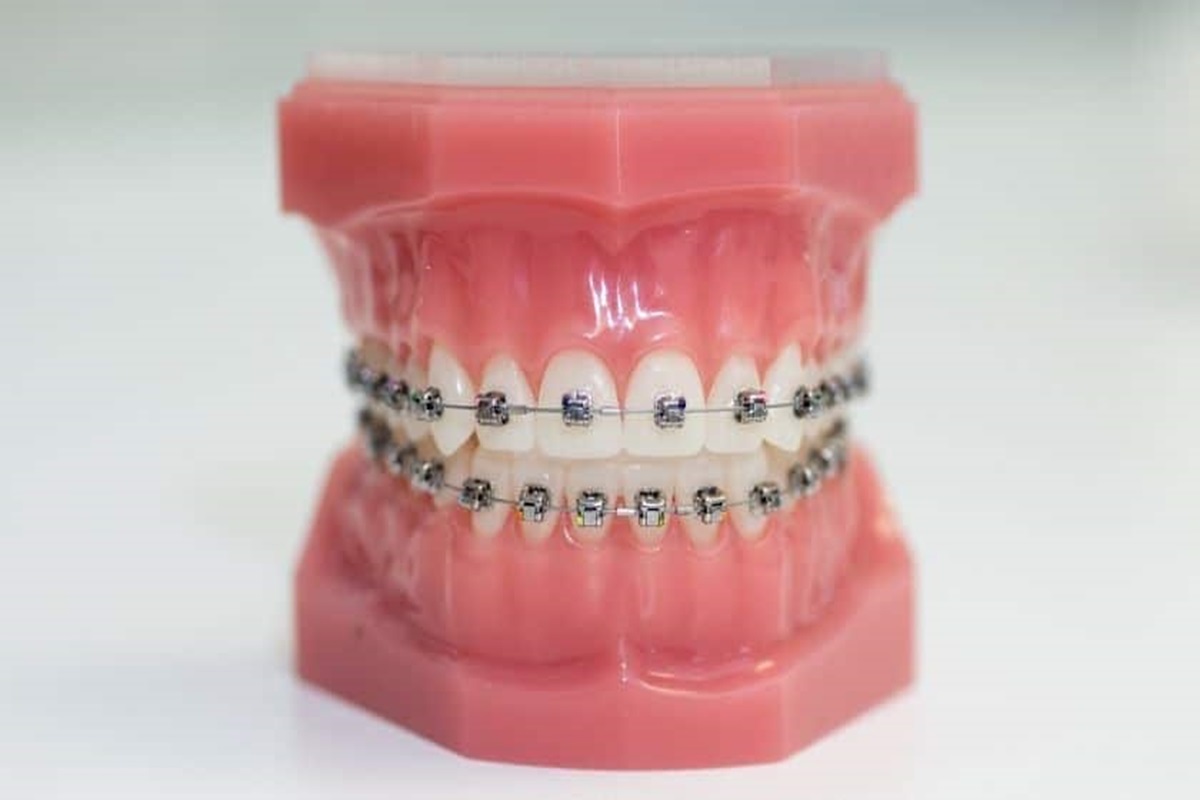
Traditional braces are a time‑tested solution for correcting crowded teeth, spacing issues, and bite irregularities. Metal or ceramic brackets are bonded to your teeth and connected with wires that gently guide teeth into proper alignment. This option works well for a wide range of concerns and offers predictable, consistent results.
Clear braces function like traditional braces but use tooth‑colored ceramic brackets that blend with your teeth. They provide effective alignment while being less noticeable. This makes them a popular choice for teens and adults who want strong results with a more discreet appearance.
For complex bite problems or significant jaw discrepancies, a surgical approach may be recommended. This combines jaw surgery with teeth alignment to correct issues that traditional braces alone can’t fully resolve, improving function and facial harmony.
Clear aligners are removable, almost invisible trays that gradually shift teeth into place. They offer flexibility for eating and cleaning and are ideal for those who prefer a more discreet alternative to traditional braces. They are effective for mild to moderate crowding, spacing, and bite concerns.
While braces are often associated with teenagers, they’re just as beneficial for adults, particularly those who didn’t seek treatment in their youth. In a city like San Antonio, where the San Antonio Missions National Historical Park or a stroll through Market Square captures the essence of local life, a confident smile can leave a lasting impression.
How Long Does It Take To Fix Common Dental Misalignments?
The time required to correct teeth alignment issues depends on the severity and the type of treatment used. For instance:
- Braces: Traditional braces usually take 18 months to 2 years to fully correct alignment issues.
- Clear Aligners: Many patients experience results in 6 months to 1 year, but more complex cases may take longer.
- Retainers: After completing therapy with braces or aligners, retainers are worn long-term to maintain results.
It’s important to note that factors such as age, adherence to treatment instructions, and oral hygiene habits can affect the overall timeline.
How Can Crooked Tooth Positioning Impact Your Health?
Beyond affecting the appearance of your smile, crooked teeth can lead to a host of other issues. Correcting them can reduce these risks and improve your quality of life. These include:
- Increased Risk Of Tooth Decay And Gum Disease: Crowded or misaligned teeth are harder to clean, increasing plaque buildup and the likelihood of cavities and gum infections.
- Jaw Pain and Discomfort: Improper alignment of teeth can cause strain on the jaw, leading to headaches or temporomandibular joint (TMJ) disorders.
- Difficulty Chewing Or Speaking: Misaligned teeth can make it harder to chew properly, affect digestion, and impact your speech.
What Is The Best Age For Orthodontic Procedures?
The best time to begin treatment depends on a combination of factors, including the growth and development of the teeth and jaw. For children, early intervention between the ages of 7 and 9 can be crucial.
At this stage, most kids have a mix of baby and permanent teeth. This allows dentists to identify and address potential issues early. Early treatment can guide jaw growth and create more space for incoming teeth.
However, treatment isn’t just for kids. Many adults also benefit from corrective treatment, regardless of age. Teeth and jaw alignment can be improved at any stage of life. Moreover, with advances in modern treatments, adults can achieve a beautifully straight smile without the need for traditional metal braces.
Whether you’re 16 or 60, it’s never too late to invest in your smile and overall oral health.
In short, while early orthodontics can provide significant advantages, achieving optimal alignment at any age is always a possibility with the right plan. You can
visit our dental office for periodic consultations. Our dental professionals will help determine the ideal time to start your journey to a perfectly aligned smile.
How To Maintain Your Smile After Treatment?
Once your procedure is complete, it’s essential to maintain your smile with retainers. Retainers help ensure that your teeth stay in their new, aligned position. They are worn at night after treatment with braces or clear aligners. Additionally, regular oral checkups are necessary to ensure your teeth and gums remain healthy.
Maintaining your smile also means continuing good oral hygiene practices such as brushing, flossing, and limiting sugary snacks. With the right care, your smile will last a lifetime.
Book An Appointment For A Confident Smile
Orthodontic treatment is an investment in your future smile, health, and confidence. Whether you’re dealing with a bite problem, overcrowded teeth, or misalignment, our dental team in San Antonio is here to guide you through every step of the process. Don’t let a crooked smile hold you back from enjoying the best moments life has to offer.
Book an appointment with
Bexar Orthodontists & Pediatric Dentists today to achieve the dream smile you’ve always wanted.
Frequently Asked Questions
Q. What age is ideal for starting orthodontic treatment?
Early evaluation around age 7 allows detection of growth issues before they worsen. However, effective alignment can occur at any age, and modern orthodontics can successfully treat adults with complex bite concerns.
Q. Can dental misalignment treatment improve speech clarity?
Yes, correcting misaligned teeth can enhance tongue placement and airflow, reducing lisps or articulation issues. Improved alignment often leads to clearer speech and more confidence when interacting socially or professionally.
Q. Does tooth alignment affect digestion?
Improper alignment can hinder efficient chewing, affecting the digestive process from the start. By improving how teeth meet, orthodontic solutions help break food down more thoroughly, supporting better overall digestion.
Q. How do dental alignment procedures impact long‑term dental health?
Correcting alignment redistributes bite forces evenly, reducing uneven wear and risk of fractures or TMJ strain. Properly aligned teeth are easier to clean, lowering the chances of periodontal issues and decay over time.
Q. Is retention necessary after orthodontic treatment?
Yes, retention stabilizes teeth while the surrounding bone and tissues adapt after movement. Without retainers, slight shifts can occur, so long‑term retention helps maintain the results achieved by braces or clear aligners.