
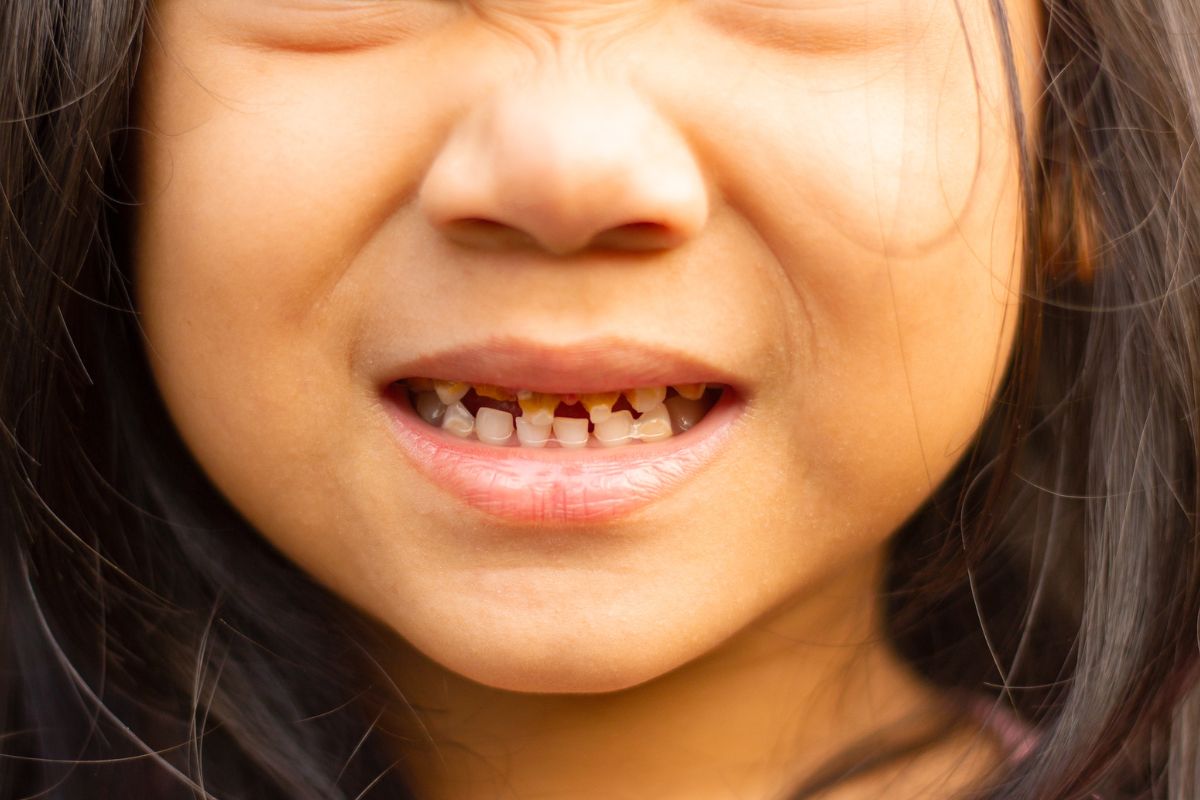
As new parents, one of your top priorities is ensuring your baby’s health, including their oral care. Yet, when it comes to your little one’s teeth, you might not realize that something as simple as bottle-feeding could contribute to tooth decay. Baby bottle tooth decay, also known as early childhood caries, is a growing concern among pediatricians and pediatric dentists alike. In fact, according to the Centers for Disease Control and Prevention (CDC), tooth decay is one of the most common chronic diseases in children in the U.S.
Children are often exposed to frequent sugar intake throughout the day. Combined with habits like putting a child to bed with a bottle, these routines can increase the risk of baby bottle tooth decay. With busy schedules, festivals, and dining culture, early dental care can sometimes be overlooked. So, how can you prevent baby bottle tooth decay and protect your child’s developing smile? Keep reading the blog till the end.
What is Baby Bottle Tooth Decay?
This is a form of tooth decay that typically affects the upper front teeth of infants and toddlers. It occurs when sugary liquids, such as milk, formula, or fruit juice, remain in a child’s mouth for extended periods, particularly during sleep. This condition is most commonly seen in babies who are allowed to fall asleep while sucking on a bottle. This exposes their teeth to sugars that bacteria thrive on, leading to cavities.
As residents of San Antonio know, the city enjoys hot summers, and many parents may give their babies bottles for comfort during naps or sleep. However, prolonged exposure to sugary liquids can significantly increase the risk of developing this condition.
How Does Baby Bottle Tooth Decay Develop?
When sugary liquids like milk or juice pool around a baby’s teeth, bacteria feed on these sugars and produce acid. This acid gradually erodes tooth enamel, leading to cavities. Over time, this can result in painful tooth decay, which can interfere with a child’s ability to eat, speak, and play comfortably.
In this Texas city, known for treats like snow cones and sugary drinks, be mindful of your baby’s oral hygiene. It’s natural to want to comfort your baby with a bottle during rest or playtime. However, it’s crucial to recognize the long-term impact on their teeth if not managed properly.
The Role of a Pediatric Dentist
As a parent, you may feel overwhelmed with the countless aspects of raising a child, but one thing you can do to ensure their health is to choose a trusted pediatric dentist. Your local pediatric dentist can provide the proper guidance on how to care for your baby’s teeth, even before they fully emerge.
Early dental visits can help you understand how to establish a dental routine and prevent baby bottle tooth decay. With a family dental care provider in Roswell, you can receive personalized advice for your baby’s specific needs. This ensures a healthy start to their dental journey.
Preventing Baby Bottle Tooth Decay
There are several steps you can take to prevent baby bottle tooth decay and keep your baby’s smile shining bright:
Avoid Sugary Bottles at Naptime or Bedtime
It’s tempting to let your baby fall asleep while feeding, but sugary liquids can lead to decay when left on the teeth. If your baby needs comfort, opt for water instead of milk or juice. The American Academy of Pediatrics advises that babies should only be given water in a bottle at bedtime.
Wipe Your Baby’s Gums After Feeding
Even before your baby’s first tooth emerges, it’s important to keep their gums clean. Use a soft, damp washcloth to gently wipe their gums after each feeding. This helps remove any leftover sugars or bacteria that could lead to tooth decay.
Introduce a Toothbrush Early
As soon as your baby’s first tooth comes in, begin brushing their teeth with a soft, child-sized toothbrush and a tiny smear of fluoride toothpaste. Make this part of their routine, brushing their teeth at least twice a day.
Limit Sugary Foods and Drinks
While San Antonio is famous for its rich, flavorful cuisine, like homemade salsa or Mexican hot chocolate, try to limit your baby’s intake of sugary foods and drinks. Opt for healthier snacks that are less likely to contribute to tooth decay, such as fruits and vegetables.
Avoid Prolonged Use of the Bottle
As your child grows, transition them away from bottle-feeding. Prolonged use of a bottle, especially with sugary liquids, increases the risk of decay. By around one year of age, begin to introduce sippy cups to help with this transition.
Regular Check-ups with Your Pediatric Dentist
Schedule regular dental check-ups with your pediatric dentist. Early visits ensure that any signs of tooth decay are caught early and that your child’s oral health is on the right track. Your kid’s dental practitioner can also provide fluoride treatments to help strengthen their teeth and protect them from cavities.
Local Eating Habits and Their Effect on Oral Health
In San Antonio, food plays a central role in daily life. From breakfast tacos to sweet treats like churros, the city’s culinary culture is rich in flavours. This can affect your baby’s oral health. The sugars found in many local favourites can contribute to tooth decay if not managed properly. It’s important to remember that early dental care is just as important as early childhood nutrition. By introducing healthy eating habits early, you can ensure that your child’s teeth remain strong and healthy.
Local Weather and Oral Health
The scorching summer temperatures can also play a role in baby bottle tooth decay. As parents in the area know, children may be more inclined to sip on sugary drinks for hydration during the hot months. However, it’s important to remember that water is the best choice for hydration and won’t contribute to tooth decay. By offering water instead of sugary drinks, you can prevent long-term damage to your baby’s teeth while helping them stay hydrated.
Your Baby’s Smile Deserves the Best Care
Baby bottle tooth decay is a serious condition that can impact your baby’s oral health and overall well-being. However, with proper care and attention, you can easily prevent this condition and help your baby develop strong, healthy teeth.
By following the tips mentioned in this blog and scheduling regular visits with a pediatric dental practitioner, you can ensure that your baby’s smile will last a lifetime. Take action today and protect your little one’s teeth from the dangers of early childhood cavities! Book an appointment to ensure your infant’s oral health is in safe hands.
FAQs
What causes baby bottle tooth decay?
Baby bottle tooth decay is caused by prolonged exposure to sugary liquids like milk, juice, or formula, which can remain on a baby’s teeth while they sleep.
How can I prevent baby bottle tooth decay?
Prevent baby bottle tooth decay by avoiding sugary bottles at bedtime, wiping your baby’s gums after feedings, and introducing a toothbrush as soon as the first tooth appears.
At what age should I take my child to a pediatric dentist?
It’s recommended to take your child to a pediatric dentist by their first birthday to start them on a healthy dental journey and to prevent tooth decay.
Can baby bottle tooth decay affect adult teeth?
Yes, baby bottle tooth decay can affect a child’s primary (baby) teeth, and in some cases, this can impact the development of their permanent teeth.
Is it okay for my baby to fall asleep with a bottle?
It’s best to avoid putting your baby to sleep with a bottle, as it can cause sugary liquids to pool around their teeth and increase the risk of decay.
When should I start brushing my baby’s teeth?
Begin brushing your baby’s teeth as soon as the first tooth emerges, using a soft toothbrush and a tiny smear of fluoride toothpaste.