
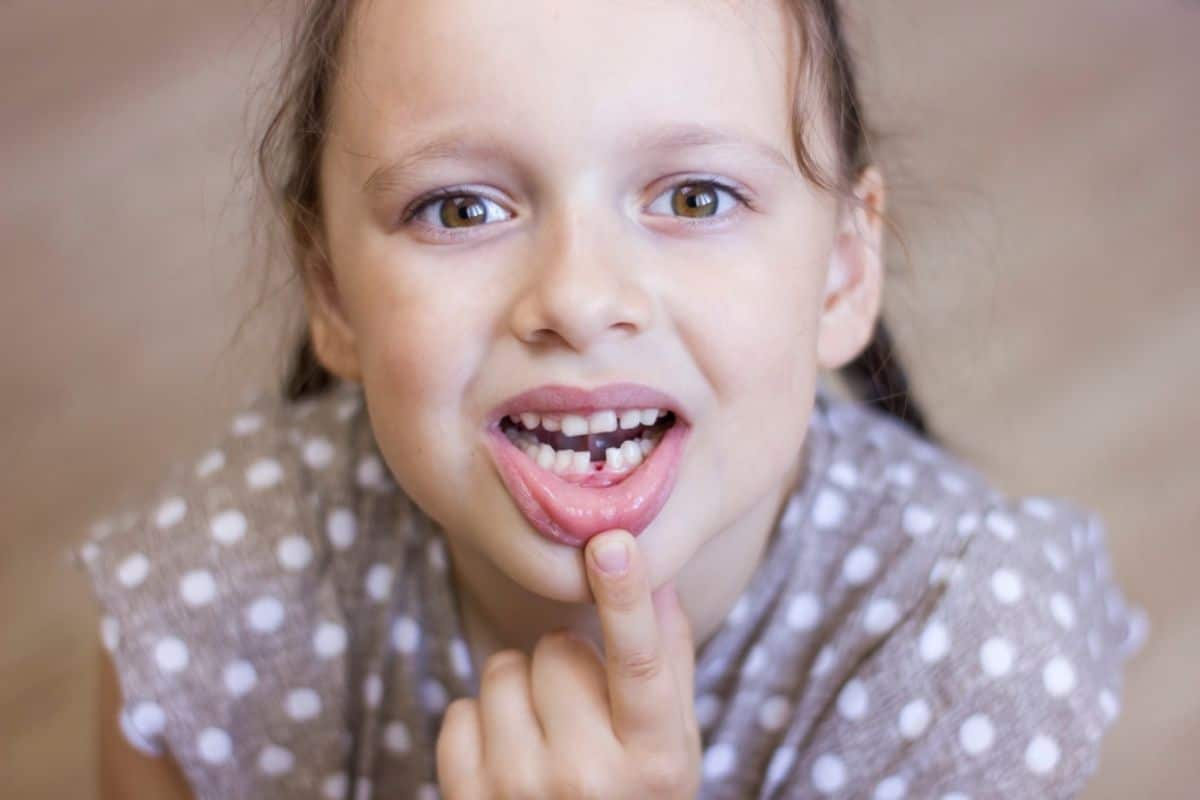
Losing a baby tooth is often a sign of dental progress for many children. For parents, the excitement can quickly turn to concern if that little wiggling tooth falls out earlier than expected. What happens when a tooth is lost before its time, and how can you tell if it’s truly too soon? This blog will answer all these queries to help you better protect young smiles.
What is the Typical Timing for Baby Tooth Loss?
Most children begin to lose their first primary teeth around age six. The lower front teeth are usually the first to go, and by age 12 or 13, most children will have completed this natural process. Though some variation is regular, teeth that fall out long before this timeline, or due to trauma, may need special attention.
If your child loses a tooth well before their sixth birthday, or if a tooth falls out because of an accident, it’s a good idea to schedule a visit to a dentist. While sometimes harmless, early tooth loss can lead to complications if not adequately monitored by a pediatric dentist.
What Causes Early Loss of Baby Teeth in Children?
Early tooth loss in babies has a few prevalent causes. These consist of:
Injury: A tooth may become loose or fall out entirely as a result of falls, sports injuries, or accidents.
Tooth Decay: If cavities are left untreated, they may become so severe that extraction is required.
Gum Infections: Teeth may occasionally become loose due to infections affecting the gums and supporting tissues.
Health Conditions: Some medical issues, such as certain genetic disorders, may affect bone and tooth development.
Any of these issues can prevent permanent teeth from erupting properly, leading to bite issues or crowding.
Is It Possible to Stop Tooth Loss Early?
There are strategies to reduce the possibility of infant teeth coming loose too soon:
Dental Hygiene: Help your child maintain good dental hygiene by using fluoride toothpaste and flossing daily. These healthy practices combat gum disease and decay.
Avoid Sugary Meals: Not indulging in sugary meals and drinks helps protect baby teeth from cavities, which can lead to early tooth loss.
Regular Dental Care: Consulting a dentist for routine exams helps identify problems in advance. Moreover, dental cleanings protect your teeth from cavity-causing bacteria and other threats.
Using a Mouthguard: If your child plays sports, an athletic mouthguard can protect teeth against injuries.
Dentists may suggest sealants or dental fillings to strengthen baby teeth. Visit our dental office to identify decay-related issues in children and receive necessary care.
What to Do If a Tooth Falls Out Too Early?
If your child loses a baby tooth early due to trauma or decay, don’t attempt to place it back in the socket. Unlike permanent teeth, baby teeth are not meant to be reinserted. Instead, contact a pediatric dentist for further guidance.
Sometimes, a space maintainer is suggested to preserve the gap until the permanent tooth is ready to emerge. This prevents nearby teeth from drifting and crowding the area, which could result in orthodontic complications.
Early tooth loss can be monitored and prevented with a dental practitioner specializing in pediatric dental care. These professionals offer comprehensive treatments to ensure your child’s oral health stays on track. If you’re concerned about sudden tooth loss in little ones, book an appointment with a trusted pediatric dentist now.