
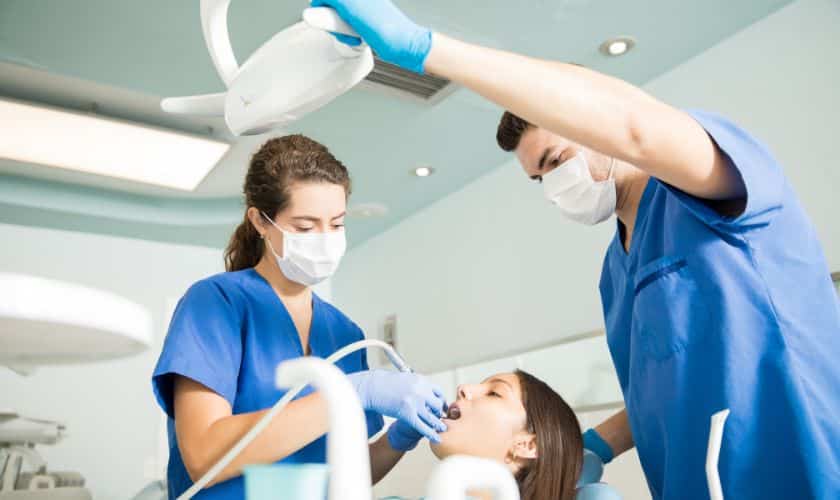
Are you one of those people who gets anxious at the thought of visiting a dentist? Do you experience discomfort or fear during dental procedures? If so, sedation dentistry may be the solution for you! Sedation dentistry uses medication to help patients relax and feel comfortable during dental treatments. In this blog post, we will discuss everything you need to know about sedation dentistry – from why it’s used to how it’s administered and more. So take a deep breath, sit back, and let us guide you through the world of sedation dentistry!
Sedation Dentistry: What is it?
Sedation dentistry refers to the use of medication during dental procedures to help patients relax and feel at ease. This technique is commonly used for people who experience anxiety or fear when visiting a dentist, but it can also be beneficial for those with sensitive teeth or a low pain threshold.
Sedatives come in different forms, including pills, inhalants, and IVs. They work by affecting the central nervous system and calming the patient’s mind and body.
It’s important to note that sedation dentistry doesn’t put you completely to sleep like general anesthesia. Instead, it induces a state of relaxation where you’ll still be able to respond to instructions from your dentist.
While sedation dentistry may sound intimidating at first glance, it’s actually quite safe when administered by qualified professionals. In fact, many dental offices offer this service as part of their standard care plan.
If you’re considering sedation dentistry for your next procedure, talk with your dentist about which option is best suited for your specific needs. With the right approach and proper communication between you and your dental team, sedation dentistry can make your visit much more comfortable.
Why Would One Need Sedation Dentistry?
Sedation dentistry is important for those patients who have dental anxiety and fear. Dental anxiety can be so severe that it prevents individuals from seeking necessary dental care, but with sedation, it helps create a relaxed experience and ensures a stressless treatment procedure.
It is also beneficial for those with a low pain threshold, have teeth sensitivity, or a strong gag reflex which makes it challenging to endure dental work. Sedation dentistry is useful for patients requiring extensive or complex procedures that take longer to complete.
By using sedation, dentists can perform multiple treatments in a single visit, reducing the number of appointments needed. Moreover, individuals with special needs or certain medical conditions that hinder their ability to sit still for extended periods can greatly benefit from sedation dentistry.
This approach ensures their safety and comfort throughout the procedure. Overall, sedation dentistry enhances the dental experience by alleviating anxiety and discomfort, allowing patients to maintain their oral health without undue stress. The use of sedation dentistry transforms the dental visit from a fearful experience to a manageable one, ensuring that all patients, regardless of their individual needs or concerns, can receive the care they need.
Types of Sedatives Used in Dentistry
Sedation dentistry involves the use of sedatives to help patients relax and feel at ease during dental procedures. There are different types of sedatives used in dentistry, each with its own benefits and drawbacks.
One type of sedative commonly used in dentistry is nitrous oxide, or “laughing gas”. This odorless gas is mixed with oxygen and administered through a mask placed over the patient’s nose. Nitrous oxide helps patients feel relaxed and calm, but its effects wear off quickly after the procedure is complete.
Another type of sedative used in dentistry is oral sedation. Patients take a pill before their appointment that helps them feel drowsy and relaxed. The level of sedation can be adjusted based on the patient’s needs, but it may take several hours for the effects to wear off completely.
Intravenous (IV) conscious sedation involves administering medication directly into a vein in order to achieve deeper levels of relaxation. This method requires careful monitoring by an experienced dentist or anesthesiologist.
The type of sedative used will depend on factors such as the patient’s medical history, anxiety level, and expected length of the procedure. A qualified dentist can work with each individual patient to determine which approach will best meet their needs.
How Are Sedatives Administered to Patients?
When it comes to sedation dentistry, there are various ways to administer sedatives. The method used usually depends on the type of procedure being performed and the patient’s level of anxiety or fear.
One common method is oral sedation, which involves taking a pill before the appointment. This type of sedative can make you feel drowsy but still awake during dental treatment. Another option is nitrous oxide, also known as “laughing gas,” which is inhaled through a mask placed over your nose.
For more advanced cases, intravenous (IV) sedation may be recommended. This involves administering medication directly into your bloodstream through an IV line in your arm. With this method, patients will typically remain conscious but will be less aware of their surroundings and experience little-to-no pain during the procedure.
It’s important to note that with any form of sedation dentistry, patients should arrange for transportation home as they may still feel some effects from the medication even after leaving the office. It’s essential to follow all post-treatment instructions provided by your dentist carefully.
Side Effects of Sedatives Used in Dentistry
While sedation dentistry is generally safe, it does come with some potential side effects. It’s important to discuss these risks with your dentist before undergoing any procedure that involves sedation.
One common side effect of dental sedatives is drowsiness or grogginess after the procedure. This can make it difficult to drive or operate heavy machinery for a period of time after leaving the office. Some patients may also experience headaches, nausea, or vomiting as a result of dental sedation.
In rare cases, patients may have an allergic reaction to the medication used in their sedative. Symptoms of an allergic reaction can include difficulty breathing, hives, and swelling around the face and mouth. It’s important to notify your dentist immediately if you experience any unusual symptoms during or after your dental procedure.
Another potential risk associated with dental sedatives is respiratory depression- meaning the breathing rate slows down- which can be especially dangerous for individuals with certain medical conditions such as sleep apnea or obesity.
While there are some possible risks associated with using sedatives in dentistry procedures, they are relatively rare and generally outweighed by the benefits, – allow anxious patients to undergo necessary treatments without overwhelming anxiety and stress that impact the results of treatment.
Conclusion
Sedation dentistry is a great option for people who experience anxiety or fear when visiting the dentist. It allows them to receive the dental care they need without any discomfort or stress during their procedure.
There are different types of sedatives available, and each one has its own set of advantages and disadvantages that should be considered before making a decision. Additionally, it’s important to discuss your medical history with your dentist so they can determine which type of sedation is right for you.
While sedation dentistry is generally safe, there are some potential side effects that patients may experience after their procedure. However, these risks can be minimized by following your dentist’s instructions before and after your appointment.
If you’re someone who experiences anxiety or fear when going to the dentist, then sedation dentistry might be right for you. Don’t let dental phobia keep you from receiving necessary treatment—talk to your sedation dentist San Antonio, TX today about how sedation dentistry can help make your next visit more comfortable and stress-free!