
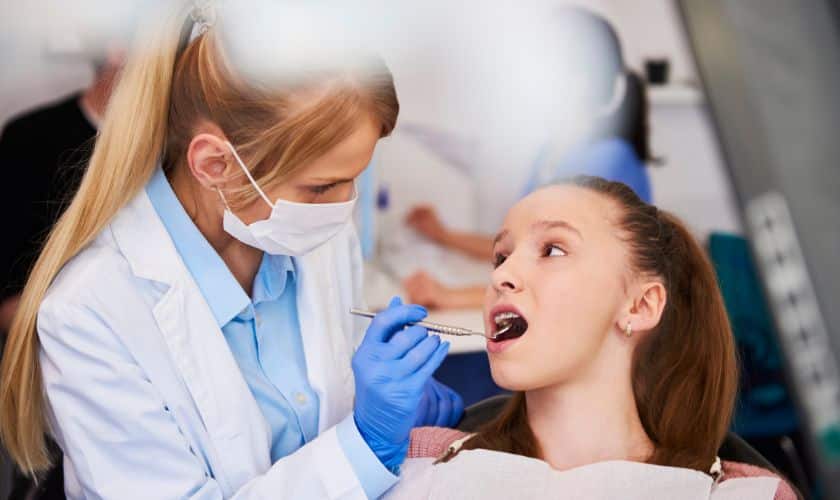
When it comes to maintaining children’s dental health, parents are constantly on the lookout for effective, safe, and long-lasting solutions. Dental sealants are one of these preventive measures that can make a real difference in a child’s oral health. In this article, we’ll explore key facts about dental sealants, why they’re recommended, and how they can benefit children’s teeth for years to come.
What Are Dental Sealants?
Dental sealants are thin, plastic-like coatings applied to the chewing surfaces of back teeth (molars) to protect them from decay. While brushing and flossing are essential, the grooves in the back teeth can be hard for young children to clean thoroughly. Sealants provide a protective barrier that keeps bacteria and food particles from getting stuck in these hard-to-reach areas, reducing the risk of cavities and decay.
Why Are Sealants Important for Kids?
Sealants are especially important for children because of their developing dental hygiene habits and increased vulnerability to cavities. Since kids may not brush and floss consistently, sealants add an extra layer of protection to their teeth. Studies show that children with sealants on their molars experience significantly fewer cavities compared to those without them.
Benefits of Sealants for Kids:
- Prevention of Cavities: Sealants protect the enamel by blocking food particles and bacteria.
- Reduced Dental Visits for Fillings: Fewer cavities mean fewer dental visits for fillings, saving both time and cost.
- Non-Invasive and Pain-Free: Sealant application is quick and painless, which helps keep dental anxiety at bay for children.
How Are Sealants Applied?
Applying sealants is a straightforward, painless process that typically only takes a few minutes per tooth. First, the teeth are thoroughly cleaned and dried. A special gel is then applied to the chewing surfaces to prepare the teeth. After rinsing and drying, the dentist paints the sealant onto the tooth, and a curing light is used to harden the sealant, making it a solid, protective layer.
The sealant bonds quickly, creating a barrier that can last several years. Most sealants last between five to ten years, though regular dental checkups are necessary to check for wear and reapply if needed.
Who Should Get Dental Sealants?
Sealants are commonly recommended for children between the ages of 6 and 14, which is when their permanent molars typically emerge. However, some younger children with deep grooves in their baby teeth may also benefit from sealants to prevent early decay.
Common Candidates for Dental Sealants:
- Children with Deep Grooves in Molars: These grooves make it easier for food to get trapped, increasing the likelihood of cavities.
- Kids Prone to Cavities: Children who frequently experience decay can greatly benefit from the added protection.
- Young Children Learning Oral Hygiene Habits: Sealants offer extra protection while kids develop proper brushing and flossing techniques.
Are Sealants Safe for Children?
Yes, dental sealants are safe and have been used for decades to prevent cavities in children. They’re made from BPA-free materials, specifically designed to be biocompatible. Dentists, specialized in pediatric dentistry in San Antonio, use materials tested for safety to ensure they don’t pose any health risks. While trace amounts of BPA may be present, the levels are extremely low and considered safe by the American Dental Association and other dental health organizations.
Do Sealants Replace Regular Dental Care?
It’s important to note that sealants don’t replace brushing, flossing, or regular dental visits. They act as an added measure, complementing your child’s daily oral care routine. Regular check-ups remain essential for tracking dental development, cleaning teeth, and reinforcing healthy habits.
Even with sealants, children should still brush twice daily and floss regularly. Limiting sugary snacks and drinks also helps in maintaining a cavity-free smile.
How Long Do Sealants Last?
Sealants can last several years with proper care. They are resilient but can wear down over time. Dentists typically check sealants at each appointment to ensure they’re intact and recommend reapplication when necessary. Most children will benefit from reapplying sealants if they grind their teeth or if the sealant shows signs of wear.
Tips for Maintaining Sealants
Once your child has sealants, there are a few easy steps to help maintain them:
- Regular Dental Visits: Keep up with scheduled dental checkups to monitor the sealants.
- Healthy Oral Care Routine: Continue encouraging proper brushing and flossing.
- Limit Hard and Sticky Foods: Foods that are excessively hard or sticky may cause sealants to chip or wear prematurely.
Dental sealants offer a practical, painless, and effective solution for reducing cavities and maintaining children’s oral health. They provide an additional layer of defense for young teeth, especially as children learn and build their oral care habits. With dental sealants, kids can enjoy healthier smiles and avoid the discomfort and cost associated with fillings and other treatments.
Regular check-ups, a balanced diet, and consistent oral hygiene can make dental sealants even more effective, giving your child the best chance at a cavity-free future.