
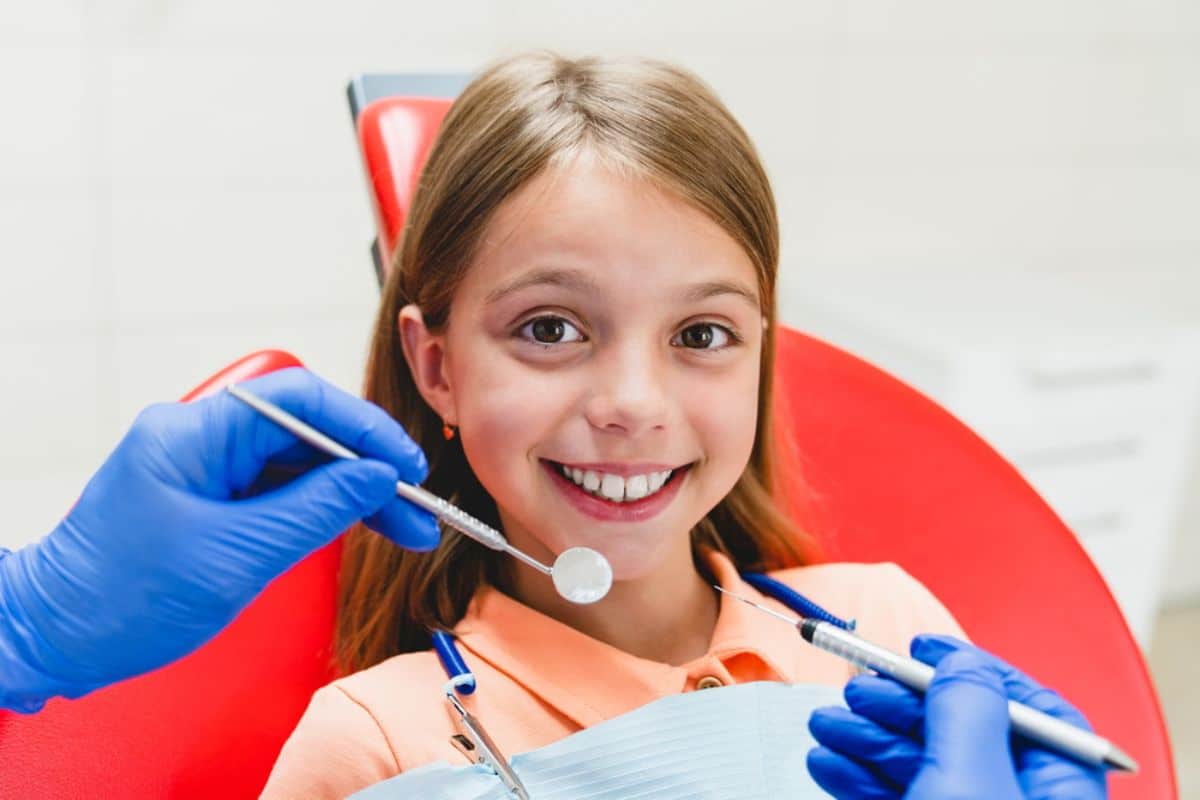
As a parent, ensuring your child grows up with a healthy, vibrant smile is one of your top priorities. However, finding the right provider to guide their oral health journey can feel overwhelming. Children have unique physical, emotional, and developmental needs that require specialized care, gentle patience, and a welcoming environment. When evaluating local practices, knowing what qualities to look for helps you make an informed decision for your family.
Guide for San Antonio Locals to Finding a Trusted Pediatric Dentist
Look for Specialized Pediatric Expertise and Board Certification
Children are not simply miniature adults. Their primary teeth, jaw structures, and behavioral responses require advanced training beyond general dental school. A true pediatric dentist completes two to three years of specialized residency training focused exclusively on child psychology, growth and development, and advanced pediatric techniques.
Evaluate the Office Environment and Child-Friendly Atmosphere
A child’s early impressions of the dental office set the foundation for how they view oral healthcare for the rest of their lives. A practice designed for children should feel warm, inviting, and engaging from the moment you step through the front doors.
- Kid-Centric Design: Bright, cheerful colors, interactive play areas, and child-sized equipment make children feel comfortable.
- Welcoming Staff: The administrative and clinical team should communicate warmly with young patients, using clear, non-frightening language to explain each step.
- Calming Atmosphere: A gentle, patient-focused environment helps alleviate initial anxiety and turns routine checkups into positive experiences.
Assess the Range of Specialized Pediatric Treatments Offered
Routine Dental Care
Dental Sealants
Restorative Fillings
Sedation Dentistry
Athletic Mouthguards
Specialized Oral Surgery
Prioritize Preventive and Patient-First Care Approaches
Check Local Reviews, Reputation, and Community Trust
- How the team manages anxious, fearful, or shy children.
- Clear, transparent communication regarding treatment plans and options.
- Punctuality, cleanliness, and overall office organization.
- Gentle bedside manner during specialized procedures like fillings or oral surgery.
Consider Location, Convenience, and Office Accessibility
- Flexible scheduling options for busy families.
- Streamlined coordination between pediatric care and orthodontic evaluations.
- Transparent financial handling and acceptance of popular financing choices like CareCredit.
Scheduling a Consultation to Observe Team Interactions
Before making a final commitment, schedule an initial consultation or preliminary visit. Observing how the dental team interacts with your child gives you immediate insight into whether the practice is the right fit.
During the visit, note how the dentist speaks to your child. The best clinicians build trust by explaining dental tools in playful terms, demonstrating procedures first, and letting children ask questions. This patient-centered, individualized care turns dental checkups into positive milestones.
Give Your Child the Gift of a Healthy, Confident Smile
Choosing the right dental partner for your child is one of the most impactful decisions you can make for their long-term health and self-confidence. By focusing on specialized qualifications, a welcoming office environment, and a team that genuinely cares about preventive, patient-centered care, you set your child up for a lifetime of happy, anxiety-free dental visits.
Frequently Asked Questions
1. At what age should my child first visit a pediatric dentist?
The American Academy of Pediatric Dentistry recommends scheduling your child’s first visit when their first tooth appears, or no later than their first birthday, establishing an early foundation for healthy habits and preventive oral healthcare.
2. How do pediatric dentists differ from general adult dentists?
Pediatric dentists undergo two to three additional years of specialized residency training focused entirely on child psychology, growing jaw structures, pediatric sedation, and tailored behavioral guidance techniques to keep young patients relaxed and comfortable.
3. Why are primary baby teeth important if they eventually fall out?
Primary teeth hold essential space for permanent adult teeth, facilitate proper speech development, and allow efficient chewing for healthy nutrition. Neglecting baby teeth can lead to painful infections, alignment problems, and long-term developmental issues.
4. What should I do if my child is anxious about dental visits?
Choose a practice specializing in gentle behavioral guidance, positive reinforcement, and sedation options. Reading fun books about dental visits and maintaining a positive attitude at home also helps ease your child’s fears beforehand.
5. How often does my child need to see the dentist for routine care?
Children should visit their pediatric dental team every six months for routine dental care, professional cleanings, exam evaluations, and protective fluoride treatments to keep tooth enamel strong and prevent early cavity development.
6. Are dental sealants safe and pain-free for young children?
Yes, dental sealants are completely safe, non-invasive, and painless. The protective resin is brushed directly onto the chewing surfaces of back molars without drilling, creating a durable barrier against decay-causing bacteria and food debris.
7. How do custom athletic mouthguards protect active youth athletes?